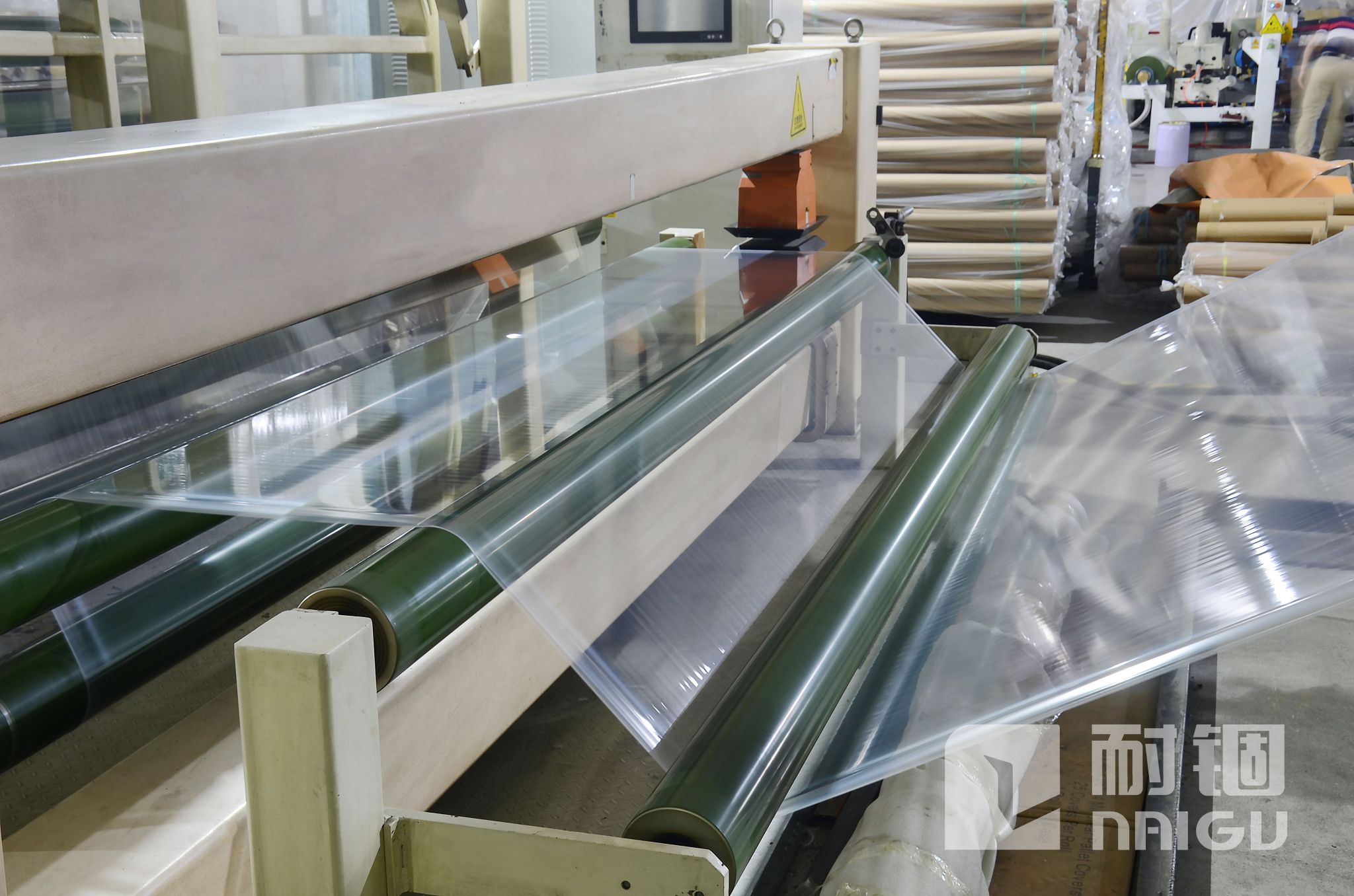
Best Packing Film for Warehouse and Logistics: How to Choose the Right Film |NAIGU
Choosing the right packing film is essential for efficient warehouse and logistics operations. This article explains how film thickness, strength, stretchability, roll specifications, and machine compatibility can help improve load stability, reduce film waste, protect products, and lower overall packing costs.
Aug 17th,202637 Views
In modern warehouses and logistics operations, packing film plays an important role in securing goods during storage, handling, and transportation. The right film can help stabilize pallet loads, reduce product movement, protect goods from dust and moisture, and improve packing efficiency.
However, choosing the best packing film is not simply about selecting the lowest price. Film thickness, strength, stretchability, roll length, application method, and load type should all be considered when selecting a suitable solution.
1. What Is Packing Film for Warehouse and Logistics?
Stretch packing film is a flexible polyethylene film commonly used to secure products on pallets and bundle goods for transportation and storage. When stretched around a load, the film creates holding force that helps keep products together and reduces load shifting.
It is widely used in:
Warehouses
Distribution centers
Manufacturing facilities
Export packing
E-commerce fulfillment
Logistics and transportation
Palletized product storage
In addition to load stabilization, packing film can provide protection against dust and light moisture exposure during storage and transportation.
2. Choose Film According to the Load
Different loads require different film performance.
For lightweight cartons and stable pallet loads, thinner film may be sufficient. Heavy, sharp-edged, or irregular products generally require film with higher puncture and tear resistance.
When selecting film, consider:
Product weight
Pallet dimensions
Load shape
Sharp edges
Stacking stability
Transportation distance
Storage conditions
The goal is to use enough film to provide reliable load stability without unnecessary material consumption.
3. Film Thickness Matters
Film thickness affects both strength and material consumption.
Thin film can help reduce material usage, but it must still provide sufficient tensile and puncture resistance for the application. Thicker film can offer greater protection for demanding loads but may increase material costs.
For this reason, warehouses should select film thickness according to actual load requirements rather than using the same specification for every product.
4. Consider Stretchability and Holding Force
Stretchability is one of the most important properties of stretch film.
A good film can stretch during wrapping and generate sufficient holding force around the pallet. This helps stabilize cartons and reduce movement during transportation.
For automated warehouse operations, consistent film performance is especially important because machine wrapping requires stable tension and predictable film behavior.
5. Hand Film vs. Machine Film
Packing film can generally be divided into hand-use film and machine-use film.
Hand stretch film is suitable for smaller operations, occasional shipments, and applications where flexibility is more important than speed.
Machine stretch film is designed for higher-volume operations where automated wrapping can improve packing speed and consistency. Both hand and machine film are commonly used in warehouses and factory shipping areas.
For high-volume logistics centers, machine wrapping can also help standardize film tension and reduce variations between operators.
6. Cast Film vs. Blown Film
Cast and blown stretch films have different performance characteristics.
Cast film generally provides good clarity, consistent thickness, and smooth unwinding, making it suitable for many warehouse and distribution applications.
Blown film generally offers stronger puncture and tear resistance, which can make it useful for heavy or irregular loads.
The best choice depends on the type of products being handled and the required balance between cost and performance.
7. Reduce Film Waste
Film cost is only one part of the total packing cost. Excessive film consumption can also increase operating expenses.
Common causes of film waste include:
Excessive overlapping
Incorrect wrapping tension
Using unsuitable film thickness
Film breakage
Incorrect machine settings
Excessive wrapping cycles
Optimizing wrapping tension and selecting a film with suitable strength and stretchability can help reduce unnecessary film consumption.
8. Protect Products During Transportation
Warehouse and logistics packing film should provide more than load stabilization.
A suitable film can help protect products from dust, dirt, and limited moisture exposure during storage and transportation. It can also help keep palletized products together during loading, unloading, and road transportation.
For export shipments, manufacturers should consider the entire transportation process when selecting film, including warehouse storage, container loading, ocean or road transportation, and final unloading.
9. Choose the Right Roll Specification
Roll width, length, weight, and core size should match the packing equipment and application.
For high-volume operations, longer rolls can reduce the frequency of film replacement and help minimize interruptions. However, the roll must remain compatible with the wrapping machine and practical for operators to handle.
A suitable roll specification can improve both productivity and material management.
10. Balance Film Quality and Packing Cost
The cheapest film is not always the most economical option.
If film breaks frequently or requires additional wrapping layers, the actual cost per pallet may increase. A higher-performance film may reduce consumption, labor requirements, and packing interruptions.
Therefore, warehouse managers should evaluate:
Film cost + consumption + labor + packing speed + product protection = Total packing cost
This approach provides a more accurate way to compare different packing film solutions.
Conclusion
The best packing film for warehouse and logistics applications should provide a suitable balance of strength, stretchability, thickness, load stability, and cost efficiency.
By selecting the right PE stretch film for each load and matching the film with the appropriate hand or machine wrapping method, warehouses and logistics companies can improve packing efficiency, reduce film waste, and help protect goods throughout storage and transportation.
For businesses handling high-volume shipments, customized PE film specifications can also be considered according to product type, wrapping equipment, and logistics requirements.
Looking for suitable PE packing film for warehouse, logistics, pallet wrapping, or industrial applications? Contact NAIGU to discuss your film requirements and packing application.