Categories

Common Industrial PE Bag Quality Problems and How to Avoid Them |NAIGU

Learn how to prevent common industrial PE bag quality problems, including tearing, uneven thickness, weak seals, incorrect dimensions, and inconsistent production quality.
Oct 15th,2026 53 Views
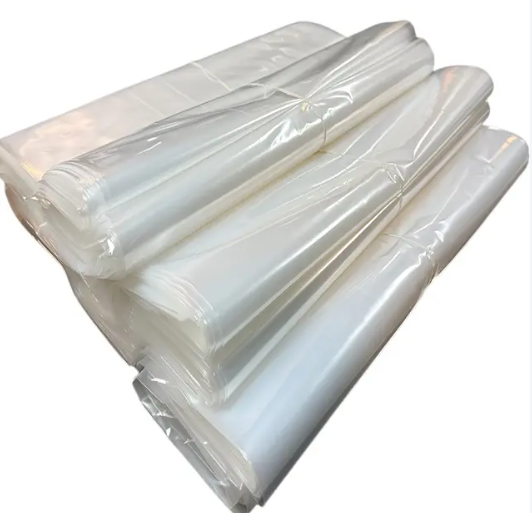
Industrial PE bags are widely used for product protection, factory storage, warehouse handling, and transportation. They help protect products from dust, moisture, dirt, and external contamination. However, poor material selection, incorrect manufacturing settings, and unsuitable bag specifications can lead to quality problems that affect packing efficiency and product safety.

Understanding common industrial PE bag defects helps manufacturers, distributors, and industrial buyers choose suitable bags and reduce unnecessary material waste.
1. Low Tensile Strength and Easy Tearing
One of the most common problems with industrial PE bags is insufficient strength. Bags may tear when filled with heavy products, handled repeatedly, or exposed to pressure during transportation.
Possible causes:
  • Insufficient film thickness for the intended load.

  • Unsuitable polyethylene resin or material formulation.

  • Uneven film thickness caused by unstable production conditions.

  • Sharp edges or excessive weight inside the bag.

How to avoid it:
Select the appropriate PE material and thickness according to the product's weight, shape, and handling conditions. For heavy-duty applications, evaluate tensile strength, tear resistance, and load-bearing performance before placing a bulk order. Consistent extrusion and quality control also help improve bag durability.
2. Uneven Thickness and Inconsistent Quality
Uneven film thickness can cause some areas of a PE bag to become weaker than others. This may result in inconsistent strength, poor appearance, and unreliable performance across different batches.
Possible causes:
  • Unstable extrusion temperature or output.

  • Improper adjustment of the production equipment.

  • Inconsistent raw material quality.

  • Insufficient thickness inspection during manufacturing.

How to avoid it:
Work with a reliable PE bag manufacturer that maintains stable production parameters and performs regular thickness inspections. Buyers should specify the target thickness and acceptable tolerance when requesting a quotation. For large-volume orders, checking samples before mass production can help identify potential issues early.
3. Weak Seals and Bottom Leakage
The bottom seal is a critical part of an industrial PE bag. If the seal is weak, bags may split during filling, stacking, or transportation, potentially damaging the products inside.
Possible causes:
  • Incorrect heat-sealing temperature or pressure.

  • Insufficient sealing time.

  • Contaminated sealing surfaces.

  • Unsuitable sealing conditions for the selected film.

How to avoid it:
Manufacturers should optimize sealing temperature, pressure, and dwell time according to the film's material and thickness. Buyers should evaluate the seal strength and inspect the bottom and side seals before approving a bulk order. Bags intended for heavy products may require additional attention to seal design and load testing.
4. Poor Transparency, Color, or Surface Appearance
Some industrial applications require clear PE bags for product identification and inspection. Cloudiness, inconsistent color, surface defects, or excessive wrinkles can affect appearance and reduce suitability for specific packing requirements.
Possible causes:
  • Variations in raw materials or additives.

  • Inconsistent extrusion conditions.

  • Improper cooling during film production.

  • Surface contamination or unsuitable storage conditions.

How to avoid it:
Define appearance requirements before production, including transparency, color, surface finish, and printing expectations. Request samples that reflect the intended material formulation and manufacturing process. If recycled material is considered, confirm that its properties meet the application's performance and appearance requirements.
5. Incorrect Bag Dimensions
Industrial PE bags that are too narrow, too short, or too large may cause packing difficulties, increase material consumption, or provide inadequate product protection.
Possible causes:
  • Incorrect measurements during order confirmation.

  • Failure to account for product shape and loading methods.

  • Inadequate consideration of sealing or folding allowances.

  • Differences between nominal and finished bag dimensions.

How to avoid it:
Provide the product's length, width, height, weight, and packing method when requesting a custom PE bag quotation. If the bag will be used with an automatic packing machine, confirm the required bag width, length, thickness, opening direction, and feeding method. Testing the sample with the actual product or equipment helps verify compatibility.
6. Poor Puncture and Impact Resistance
Products with sharp corners, rough surfaces, or irregular shapes can puncture PE bags during packing and transportation. A bag may have sufficient thickness but still perform poorly if its material properties are unsuitable for the application.
Possible causes:
  • Incorrect material selection.

  • Insufficient puncture resistance.

  • Inappropriate film thickness.

  • Excessive compression or rough handling.

How to avoid it:
Evaluate the product's shape and packing environment before selecting a film specification. Depending on the application, manufacturers may adjust the PE formulation, film thickness, or bag structure to improve puncture resistance. Practical testing under representative handling conditions is more useful than relying on thickness alone.
7. Poor Storage and Premature Material Deterioration
Even well-manufactured PE bags can experience quality issues if they are stored improperly. Excessive heat, direct sunlight, dust, and unsuitable warehouse conditions may affect their appearance and performance over time.
How to avoid it:
Store PE bags in a clean, dry, well-ventilated area away from direct sunlight and excessive heat. Keep the bags protected from dust and mechanical damage, and follow the supplier's storage recommendations. For long-term outdoor exposure, discuss UV stabilization requirements with the manufacturer rather than assuming standard PE material is suitable.
8. Inconsistent Quality Between Production Batches
For industrial buyers purchasing thousands of bags, consistency is just as important as the quality of an individual sample. Differences between batches may affect automated packing, product protection, and production efficiency.
How to avoid it:
Establish clear specifications covering material type, thickness, dimensions, color, printing, sealing strength, and applicable quality tolerances. Ask the supplier to maintain documented production standards and conduct routine inspections. For repeat orders, compare incoming products with the approved sample and agreed specifications.
How to Choose Reliable Industrial PE Bags
Before placing a bulk order, buyers should evaluate several key factors.

Quality factor

What to check

Material

PE type and material formulation

Thickness

Target thickness and tolerance

Strength

Tensile, tear, and puncture resistance

Sealing

Seal integrity and load suitability

Dimensions

Finished width, length, and bag structure

Appearance

Transparency, color, wrinkles, and defects

Customization

Printing, special sizes, and application requirements

Quality control

Sample approval and batch consistency

The most suitable industrial PE bag is not necessarily the thickest or cheapest option. It is the one that meets the product's protection requirements while maintaining consistent quality and reasonable material consumption.
Conclusion
Common industrial PE bag quality problems, including tearing, uneven thickness, weak seals, incorrect dimensions, and inconsistent production batches, can often be reduced through appropriate material selection, precise manufacturing controls, and clear purchasing specifications.
For manufacturers and industrial buyers, working with an experienced supplier helps ensure that PE bags meet the practical demands of storage, handling, and transportation. Sample testing and consistent quality inspections are particularly important when ordering customized bags in large quantities.
Contact NAIGU Films
NAIGU Films provides PE film and plastic bag solutions for industrial packing, product protection, storage, and transportation. Customized specifications can be discussed according to your product dimensions, material requirements, and application.
📧 Email: jenney@gdnaimei.com
📱 WhatsApp/Phone: +86 13924835577
🌐 Website: https://naigufilms.com/
Leave a message
Name *
Email *
WhatsApp/Phone
Total weight (kg) *
Message *
Company Name
We use Cookie to improve your online experience. By continuing browsing this website, we assume you agree our use of Cookie.