How Compression Film Supports Roll Packed Mattress Production |NAIGU
Learn how compression film supports roll packed mattress production, including film strength, puncture resistance, sealing, machine compatibility, and packing efficiency.
Aug 13th,202635 Views
Roll packed mattresses have become increasingly important in modern mattress manufacturing and distribution. By compressing, folding, and rolling mattresses into compact packages, manufacturers can significantly reduce storage volume and make transportation and handling more efficient.
However, successful roll packing depends on more than compression equipment alone. Compression film plays an important role in maintaining the compressed mattress shape, protecting the product, and supporting efficient downstream transportation.
This article explains how compression film supports roll packed mattress production and what manufacturers should consider when selecting the right film.
What Is Compression Film for Roll Packed Mattresses?
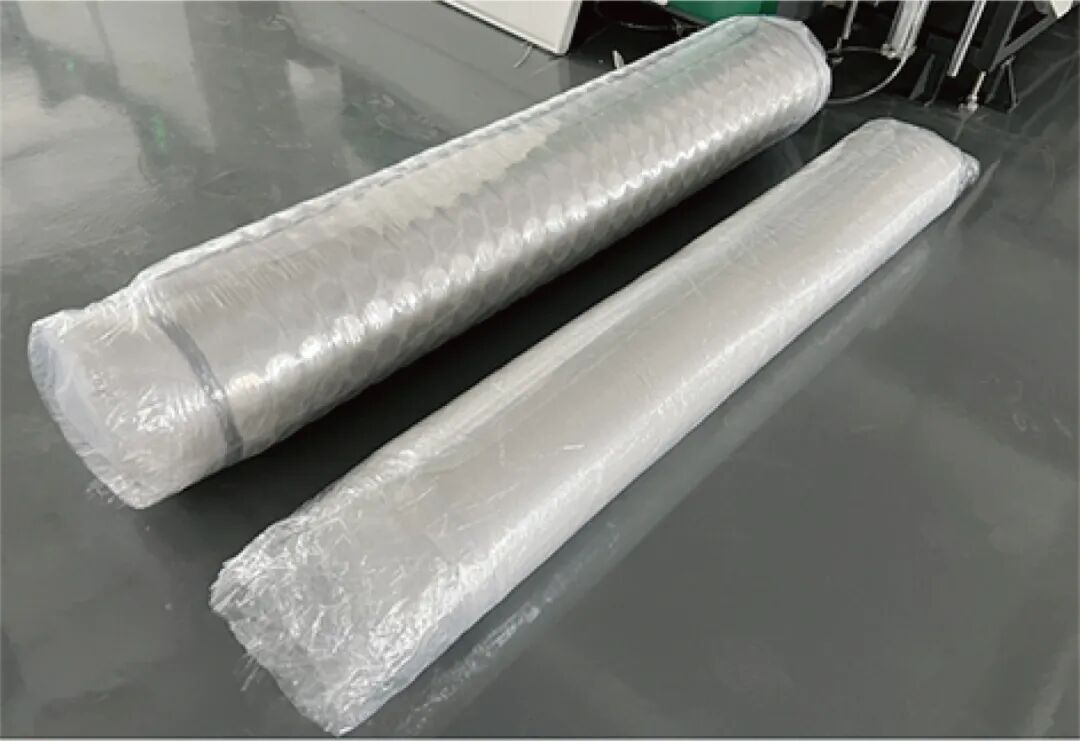
Compression film is a flexible plastic film designed to contain mattresses after they have been compressed and prepared for roll packing.
During the packing process, the mattress is compressed to remove air and reduce its overall volume. The film then forms a tight protective layer around the compressed product.
Depending on the production line, compression film may be used for:
Foam mattresses
Spring mattresses
Hybrid mattresses
Memory foam mattresses
Rolled mattresses
Vacuum-compressed mattresses
Mattresses prepared for e-commerce delivery
The film specification should be matched to the mattress material, compression level, packing equipment, and final package dimensions.
Why Is Compression Film Important?
Compression film performs several functions in a roll packed mattress production line.
1. Maintains the Compressed Shape
After a mattress is compressed, the film helps contain the product and maintain its reduced volume.
Without suitable film, the mattress may expand before the next production or handling stage.
A film with appropriate strength and flexibility helps maintain stable compression while allowing the mattress to be handled efficiently.
2. Supports Efficient Roll Packing
Roll packing requires the compressed mattress to remain controlled while it is folded or rolled.
The film needs to withstand tension and movement during the process. Proper film performance can contribute to smoother automated packing and more consistent package dimensions.
3. Protects the Mattress Surface
Compression film creates a protective barrier around the mattress.
It can help protect against:
Dust
Dirt
Moisture
Surface contamination
Scratches
Handling damage
This is particularly important when mattresses are stored for extended periods or transported across long distances.
4. Reduces Transportation Volume
The main advantage of mattress compression is volume reduction.
When the mattress is compressed and roll packed, the resulting package can occupy significantly less space than a conventional flat mattress.
Compression film helps maintain this compact package, supporting more efficient storage, palletization, and transportation.
How Compression Film Works in a Roll Packing Process
A typical roll packed mattress production process may include several stages.
Step 1: Mattress Preparation
The finished mattress is positioned for compression. Its dimensions, material structure, and construction can affect the required compression parameters.
Step 2: Compression
A compression system reduces the mattress volume by applying controlled pressure and removing air from the mattress structure where applicable.
Step 3: Film Wrapping
Compression film is applied around the mattress. The film must provide sufficient strength to withstand the pressure generated by the compressed product.
Step 4: Sealing
The film is sealed to create a closed package. Reliable sealing is important for maintaining package integrity.
Step 5: Folding or Rolling
Depending on the packing system, the compressed mattress is folded or rolled into a compact form.
Step 6: Final Packing
The finished roll packed mattress can then be labeled, transported, stored, or placed into an additional protective package.
Important Compression Film Properties
Not every PE film is suitable for roll packed mattresses. Manufacturers should evaluate several technical characteristics.
Tensile Strength
The film must withstand the forces generated during compression and handling.
Higher tensile strength can help reduce film breakage when the mattress is tightly compressed.
Puncture Resistance
Mattress materials can create pressure points, particularly around corners or structural components.
Good puncture resistance helps prevent holes during compression and transportation.
Elongation
Film needs to stretch sufficiently to conform to the compressed mattress without breaking.
The appropriate elongation level depends on the mattress type and packing process.
Tear Resistance
A small film defect can potentially develop into a larger tear during handling. Adequate tear resistance helps maintain package integrity.
Sealing Performance
The film should provide reliable sealing under the operating conditions of the packing machine.
Poor sealing can cause package failure even when the film itself has sufficient strength.
Choosing the Right PE Material
Polyethylene is widely used for mattress compression film.
Different PE structures can provide different combinations of flexibility, strength, and puncture resistance.
LDPE
LDPE offers good flexibility and is suitable for various protective packing applications.
LLDPE
LLDPE can provide good tensile and puncture performance, making it useful for applications where the film needs to withstand greater mechanical stress.
LDPE/LLDPE Blends and Coextruded Films
Combining different polyethylene materials can help manufacturers balance flexibility, strength, processability, and cost.
The best material structure depends on the specific mattress and packing process.
Film Thickness and Roll Packed Mattress Performance
Film thickness should be selected according to actual production requirements rather than simply choosing the thickest available film.
Important factors include:
Mattress thickness
Mattress weight
Mattress construction
Compression ratio
Roll diameter
Packing machine
Transportation conditions
Required storage time
A film that is too thin may have insufficient resistance to puncture or tearing. Excessively thick film, on the other hand, can increase material consumption and packing costs.
The objective is to find the right balance between film performance, package protection, and material efficiency.
Compression Film and Automatic Packing Machines
Modern mattress factories increasingly use automated compression and roll packing equipment to improve production efficiency.
Film compatibility is critical for automated systems.
The film supplier should understand:
Machine model
Film width
Film thickness
Roll diameter
Core size
Film feeding direction
Sealing method
Compression requirements
Using film with inconsistent thickness or unsuitable roll specifications can affect machine performance and packing consistency.
How Compression Film Can Improve Production Efficiency
A suitable compression film can contribute to a more efficient mattress production process.
Consistent Packing
Stable film performance helps produce packages with more consistent dimensions.
Reduced Film Breakage
Appropriate puncture and tear resistance can reduce interruptions caused by film damage.
Better Machine Performance
Film that matches the packing machine can support smoother feeding, sealing, and wrapping.
Lower Material Waste
Optimized film thickness and stretch performance can help reduce unnecessary material consumption.
Improved Logistics
A stable and compact roll packed mattress can be easier to store, handle, and transport.
Common Compression Film Problems
Mattress manufacturers may encounter several film-related problems during production.
Film Breaks During Compression
Possible causes include insufficient puncture resistance, excessive compression, sharp product edges, or unsuitable film thickness.
Poor Sealing
Possible causes include incorrect sealing temperature, machine settings, contamination in the sealing area, or incompatible film.
Uneven Film Tension
Uneven film thickness or incorrect machine settings can lead to inconsistent wrapping.
Excessive Film Consumption
Using an unnecessarily thick film or incorrect machine parameters can increase material costs.
Package Expansion
If the film does not provide sufficient containment or the compression process is not properly controlled, the mattress may expand after packing.
How to Select Compression Film for Your Factory
Before purchasing compression film, mattress manufacturers should provide detailed information to the supplier.
Recommended information includes:
Mattress dimensions
Mattress type
Mattress weight
Compression method
Target compressed dimensions
Roll diameter
Packing machine model
Required film width
Required film thickness
Expected monthly film consumption
Providing this information allows the supplier to recommend a film specification based on the actual production process.
Compression Film and Sustainable Mattress Packing
Material efficiency is becoming increasingly important in mattress manufacturing.
Optimizing film thickness and packing parameters can help reduce material consumption while maintaining sufficient package strength.
Manufacturers can evaluate:
Film weight per mattress
Film thickness
Film strength
Compression performance
Film waste
Package protection
A well-optimized packing process can reduce unnecessary material usage and improve overall production efficiency.
Conclusion
Compression film is an important component of modern roll packed mattress production. It helps contain compressed mattresses, protect products, support efficient rolling, and maintain package integrity throughout storage and transportation.
The best compression film depends on the mattress structure, compression ratio, packing machine, roll dimensions, and transportation requirements. Manufacturers should evaluate tensile strength, puncture resistance, elongation, tear resistance, sealing performance, and film thickness before selecting a supplier.
When the right compression film is combined with suitable compression and roll packing equipment, mattress manufacturers can achieve more consistent packages, improved production efficiency, reduced material waste, and better transportation performance.