How to Prevent Mattress Bags from Tearing During Handling |NAIGU
Learn how to prevent mattress bags from tearing with the right PE film thickness, bag dimensions, tear resistance, handling practices, sealing settings, and quality inspections.
Oct 15th,202652 Views
How to Prevent Mattress Bags from Tearing During Handling
Mattress bags play an important role in protecting mattresses from dust, moisture, scratches, and contamination during storage, handling, and transportation. However, mattress bags may tear when mattresses are lifted, dragged, compressed, stacked, or moved through warehouses and delivery facilities. These problems can increase material waste, slow down packing operations, and reduce product protection.
Understanding the causes of mattress bag damage helps mattress manufacturers and distributors select suitable PE film, improve handling procedures, and maintain consistent packing quality.
1. Choose the Right PE Film Thickness
Insufficient film thickness is a common reason mattress bags tear during handling. Thin film may not provide enough resistance when mattresses are heavy, have sharp corners, or are frequently moved.
However, thicker film is not always the most cost-effective solution. The appropriate thickness depends on mattress dimensions, weight, surface characteristics, and transportation conditions.
How to prevent tearing:
Select PE film thickness according to the mattress size and weight.
Consider the handling frequency and transportation distance.
Test different film specifications before bulk purchasing.
Avoid choosing film based on price or thickness alone.
For manufacturers packing different mattress models, establishing suitable film specifications for each product category can help balance protection and material consumption.
2. Improve Film Strength and Tear Resistance
Mattress bags require sufficient mechanical strength to withstand normal handling. If the PE material has inadequate tensile strength or tear resistance, small cuts or punctures can expand when the mattress is moved.
Film performance depends on several factors, including polyethylene resin selection, material formulation, film thickness, and manufacturing conditions.
How to prevent tearing:
Work with a reliable PE film supplier that can provide consistent material quality. Evaluate tensile strength, tear resistance, and puncture resistance where appropriate. For mattresses with sharp edges or heavier constructions, test the selected film under realistic handling conditions before confirming a large order.
3. Select the Correct Mattress Bag Dimensions
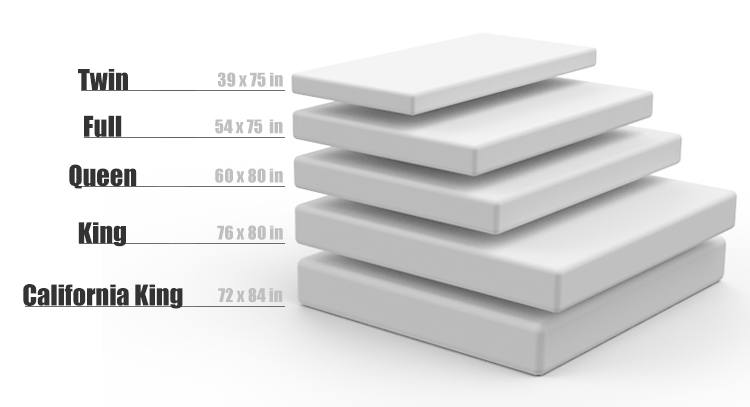
A mattress bag that is too small can become overstretched during loading. Excessive tension around corners and seams may increase the risk of tearing. Conversely, an oversized bag may create excess material that becomes trapped or caught during handling.
Correct bag dimensions should accommodate the mattress without placing unnecessary stress on the film.
How to prevent tearing:
Measure mattress length, width, and thickness accurately.
Allow sufficient space for loading and sealing.
Consider the mattress shape and compression requirements.
Test the bag with the actual mattress before mass production.
For custom mattress bags, buyers should provide complete product dimensions and explain whether the mattress will be packed flat, folded, compressed, or rolled.
4. Protect Mattress Corners and Edges
Mattress corners, seams, labels, and other protruding components can create localized pressure on the bag. During lifting or sliding, these areas may puncture the film or initiate a tear.
This issue is particularly relevant when mattresses are moved quickly along production lines or through crowded storage areas.
How to prevent tearing:
Check mattress surfaces for sharp objects, exposed staples, or damaged components before packing. Ensure the mattress is positioned correctly inside the bag and avoid pulling the film tightly around corners. Where the application requires additional protection, consider a more suitable film specification or protective materials for vulnerable areas.
5. Avoid Improper Handling During Packing and Transportation
Even a well-designed mattress bag can be damaged by rough handling. Dragging mattresses across floors, pulling them by the plastic film, or allowing them to contact sharp equipment can cause tears.
Recommended handling practices include:
Lift or move mattresses using suitable handling equipment.
Avoid pulling or lifting a mattress by the bag unless the bag is specifically designed and tested for that purpose.
Keep packing and storage areas free from sharp edges and debris.
Avoid excessive pressure when stacking or moving packed mattresses.
Train workers to handle packed products consistently.
Improving handling procedures can reduce damage without necessarily increasing film thickness.
6. Check Sealing Quality and Packing Machine Settings
For mattress manufacturers using automatic packing equipment, incorrect machine settings can contribute to film damage. Excessive tension, unsuitable sealing temperatures, or misaligned feeding mechanisms may stretch, cut, or weaken the film.
Weak seals can also open during subsequent handling, exposing the mattress and creating the impression that the bag itself has failed.
How to prevent tearing:
Regularly inspect film feeding, tension control, sealing components, and cutting mechanisms. Adjust the equipment according to the selected film's specifications. Conduct trial runs when changing film thickness, bag dimensions, or material types, and inspect finished packs before starting full production.
7. Store Mattress Bags Correctly
Poor storage conditions can affect the consistency and usability of PE bags. Direct sunlight, excessive heat, dust, and mechanical damage may compromise packaging materials before they are used.
How to prevent problems:
Store mattress bags in a clean, dry area away from direct sunlight and excessive heat. Keep rolls and finished bags protected from sharp objects and heavy loads. Follow the supplier's recommendations for storage and shelf life, particularly for film intended for long-term inventory.
8. Establish a Mattress Bag Quality Inspection Process
Regular inspection helps identify problems before they affect large production batches. A bag that appears acceptable during a quick visual check may still have inconsistent thickness, weak seals, or insufficient resistance to punctures.
Manufacturers should consider checking:
Film thickness and consistency.
Visible holes, cuts, and surface defects.
Bag dimensions and fit.
Seal integrity and strength.
Performance during representative handling tests.
Consistency between delivered batches.
For repeat purchases, keep an approved sample and documented specifications so that incoming materials can be compared against the agreed requirements.
Conclusion
Preventing mattress bags from tearing during handling requires a combination of suitable PE film selection, correct bag dimensions, reliable sealing, careful handling, and consistent quality control.
Mattress manufacturers should evaluate the actual weight, shape, and packing method of their products rather than relying on film thickness alone. Testing bags under realistic working conditions can help identify weaknesses before large-scale production.
By working with an experienced PE film supplier and maintaining appropriate handling procedures, businesses can reduce packaging damage, improve operational efficiency, and protect mattresses throughout storage and transportation.
NAIGU Films provides PE film and customized plastic bag solutions for mattress packing, furniture protection, industrial storage, and transportation.
If you need mattress packing film or custom PE mattress bags, our team can discuss suitable material specifications, thickness, dimensions, and printing options based on your application.
Contact us today to discuss your requirements and request a customized quotation.