Categories

PVC Film for Furniture and Industrial Applications |NAIGU

Explore PVC film for furniture protection, decorative finishes, and industrial applications. Learn about film types, thickness, selection factors, and quality control.
Oct 27th,2026 58 Views
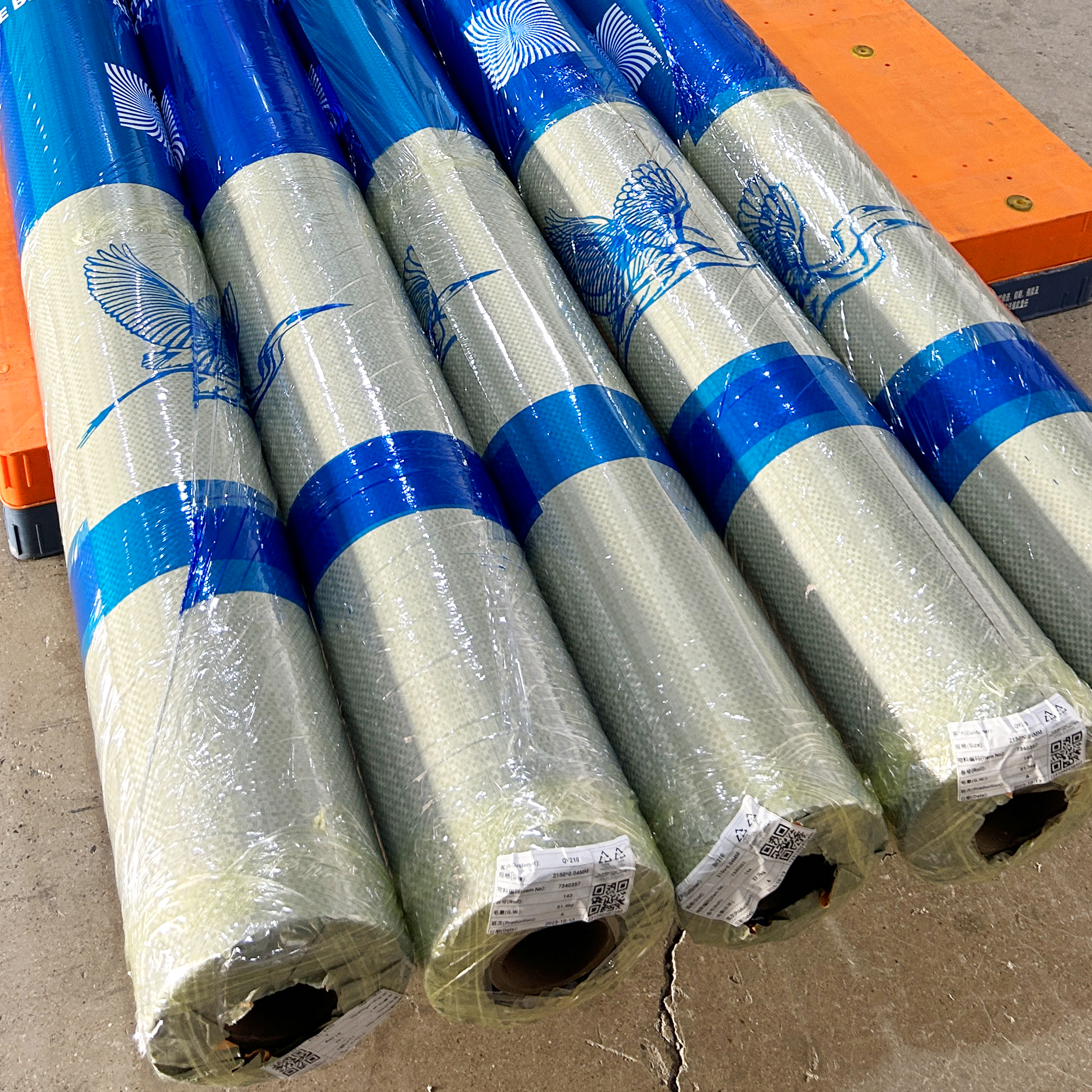
PVC film is widely used in furniture protection, surface covering, industrial packing, and product finishing. With its versatile material properties and customizable specifications, PVC film can help manufacturers protect products, improve surface appearance, and meet different production requirements.
For furniture factories, industrial suppliers, and packing material distributors, choosing the right PVC film involves considering thickness, flexibility, transparency, durability, and compatibility with the intended application.

1. What Is PVC Film?
PVC film, or polyvinyl chloride film, is a plastic film material available in different thicknesses, colors, surface finishes, and performance grades. Depending on its formulation and manufacturing process, PVC film can be designed for flexible wrapping, surface protection, decorative applications, and various industrial uses.
Common PVC film options include:
  • Transparent PVC film: Allows product visibility while providing a protective layer.

  • Colored PVC film: Supports color-specific product requirements and visual identification.

  • Flexible PVC film: Suitable for applications requiring bending, wrapping, or conforming to product surfaces.

  • Printed PVC film: Offers customized patterns, graphics, or product information.

  • Special-purpose PVC film: Designed to meet specific requirements for surface finish, processing, or environmental conditions.

The appropriate type depends on the product, application, and required performance.
2. PVC Film for Furniture Applications
Furniture manufacturers need materials that support product protection, appearance, and efficient handling throughout production and delivery. PVC film can serve several purposes depending on its formulation and design.
Furniture Surface Protection
PVC film can help protect selected furniture surfaces from dust, scratches, and minor handling marks during manufacturing, storage, and transportation. For temporary protection, buyers should confirm that the film can be removed without leaving unacceptable adhesive residue, if an adhesive layer is used.
Decorative Furniture Finishes
Colored, textured, or printed PVC film can be used in certain furniture finishing applications. It provides manufacturers with options for creating different visual effects on compatible surfaces.
Material selection should consider surface adhesion, forming requirements, abrasion resistance, and the intended service environment.
Furniture Component Packing
PVC film can also be used for wrapping or protecting compatible furniture components before shipment. Depending on the product dimensions and packing process, the film may help keep surfaces clean and reduce exposure to everyday handling damage.
For furniture exporters, the right film specifications can support consistent packing quality and improve product presentation.
3. PVC Film for Industrial Applications
PVC film is also used across a range of industrial environments where flexible, customizable plastic film is required.
Industrial Product Protection
Manufacturers may use PVC film to cover selected components during storage, handling, or transportation. Transparency can make it easier to identify products without removing the protective layer.
The required thickness and flexibility depend on product shape, weight, and exposure conditions.
Industrial Packing and Wrapping
For suitable products, PVC film can provide a flexible wrapping material that conforms to different shapes. Buyers should evaluate its mechanical properties and confirm compatibility with their packing equipment.
Not every PVC film is suitable for heavy duty packing. Applications involving sharp edges, high tension, or substantial loads may require alternative materials or specially formulated film.
Manufacturing and Processing
Some PVC films are designed for downstream processing, including cutting, forming, printing, or lamination. Consistent thickness and surface quality help manufacturers maintain reliable processing conditions.
When purchasing PVC film for industrial production, buyers should specify the processing method and any relevant performance requirements.
4. Key Factors When Choosing PVC Film
Selecting PVC film based only on price can lead to processing problems or inadequate product protection. Buyers should evaluate the following factors before ordering.

Selection factor

What to consider

Thickness

Required protection, flexibility, and processing conditions

Width and roll size

Product dimensions and equipment compatibility

Transparency

Required product visibility and appearance

Flexibility

Whether the film must bend, wrap, or conform to surfaces

Surface finish

Smooth, textured, colored, or printed requirements

Mechanical properties

Tensile strength, tear resistance, and puncture resistance where relevant

Processing compatibility

Cutting, sealing, printing, forming, or lamination

Environmental conditions

Temperature, sunlight exposure, storage period, and intended use

Providing these details to the supplier helps ensure that the selected PVC film meets the actual application requirements.
5. PVC Film Thickness and Performance
Film thickness is an important factor, but thicker film does not automatically provide better performance in every application.
Thin PVC film may be appropriate for lightweight covering or applications requiring greater flexibility. Thicker film may offer additional material strength or rigidity, depending on the formulation and product design.
However, performance also depends on plasticizer content, resin quality, additives, production consistency, and the intended use.
Before confirming a bulk order, buyers should request samples and evaluate the film under actual working conditions. For industrial applications, testing may include thickness variation, tensile strength, tear resistance, transparency, and processing performance.
6. PVC Film vs. PE Film: Which Is Better?
PVC and PE films serve overlapping but different purposes. The better choice depends on the application rather than the material name alone.

Feature

PVC Film

PE Film

Flexibility

Varies by formulation; flexible grades are available

Commonly available in flexible grades

Transparency

Available in clear grades

Available in clear grades

Typical uses

Surface covering, decorative applications, selected industrial uses

General packing, protective wrapping, bags, and industrial film

Heat behavior

Depends on formulation and processing conditions

Depends on PE grade and processing conditions

Recycling and disposal

Depends on local facilities and formulation

Depends on the PE type and local recycling systems

For mattress, foam, and furniture packing, PE film is often a practical option due to its availability in a wide range of packing specifications. PVC film may be more suitable for certain surface covering, decorative, or specialized industrial applications.
Buyers should compare technical data, cost, equipment compatibility, and applicable environmental requirements before making a decision.
7. How to Ensure Consistent PVC Film Quality
Consistent film quality is important for manufacturers who depend on stable production and reliable finished products.
A practical quality control process should include:
  1. Confirm specifications: Define film thickness, width, roll diameter, color, and surface requirements.

  2. Inspect appearance: Check for visible defects, contamination, wrinkles, and inconsistent coloring.

  3. Measure thickness: Verify that film thickness meets the agreed specification and tolerance.

  4. Test mechanical properties: Evaluate strength and flexibility according to the intended application.

  5. Conduct processing trials: Check cutting, forming, printing, or other relevant operations.

  6. Inspect samples before bulk orders: Confirm that the material performs as expected under actual production conditions.

For applications involving direct contact with sensitive products or regulated environments, buyers should also verify relevant material compliance requirements.
8. Why Work with a Reliable PVC Film Supplier?
A reliable supplier helps buyers match material specifications with practical production needs. Beyond competitive pricing, important considerations include consistent quality, customization options, technical communication, and dependable delivery.
When evaluating suppliers, consider whether they can provide:
  • Customized thickness, width, and roll specifications

  • Suitable film grades for furniture or industrial applications

  • Clear product specifications and quality inspection procedures

  • Samples for application testing

  • Consistent production and order communication

Clear communication at the quotation stage can reduce specification misunderstandings and help avoid unnecessary production delays.
Conclusion
PVC film offers versatile options for furniture surface protection, decorative finishes, product covering, and selected industrial applications. Choosing the right film requires careful consideration of thickness, flexibility, surface quality, mechanical properties, and processing compatibility.
By defining application requirements and testing samples before bulk purchasing, manufacturers can select a suitable material for their production and product protection needs.
Looking for PVC film or customized plastic film solutions? NAIGU Films supplies film products for furniture, mattress, and industrial packing applications. Contact our team to discuss your required specifications, application, and order quantity.
📧 Email: jenney@gdnaimei.com
📱 WhatsApp/Phone: +86 13924835577
🌐 Website: https://naigufilms.com/
Leave a message
Name *
Email *
WhatsApp/Phone
Total weight (kg) *
Message *
Company Name
We use Cookie to improve your online experience. By continuing browsing this website, we assume you agree our use of Cookie.