Categories

What Determines the Load-Bearing Capacity of PE Bags? |NAIGU

Discover the key factors affecting PE bag load-bearing capacity, including material quality, film thickness, bag structure, sealing strength, and manufacturing processes.
Nov 4th,2026 43 Views
The load-bearing capacity of PE bags is an important consideration for manufacturers, wholesalers, and industrial buyers. Whether used for furniture packing, mattress storage, industrial materials, or general product transportation, PE bags must withstand the weight of their contents without tearing, stretching excessively, or failing during handling.
However, the load-bearing capacity of a polyethylene (PE) bag is not determined by film thickness alone. Material selection, bag structure, manufacturing quality, sealing strength, and loading conditions all influence its actual performance.
Understanding these factors helps buyers select suitable PE bags for different applications and avoid unnecessary packaging costs.
1. PE Material Quality and Raw Material Selection
The type and quality of polyethylene directly affect bag strength, flexibility, and resistance to tearing.
Common PE materials include:
  • LDPE (Low-Density Polyethylene): Offers good flexibility, softness, and impact resistance. It is widely used for packaging bags and protective covers.

  • HDPE (High-Density Polyethylene): Provides higher stiffness and tensile strength at comparable thicknesses in many applications. It is commonly used for lightweight, strong bags.

  • LLDPE (Linear Low-Density Polyethylene): Provides good puncture resistance, tear resistance, and flexibility, making it suitable for demanding packing applications.

Some PE bags use blended materials to balance strength, flexibility, processing performance, and production costs.
When evaluating PE bag suppliers, buyers should consider material composition rather than relying solely on the material name.
2. Film Thickness and Thickness Uniformity
Film thickness is one of the most important factors affecting the mechanical performance of PE bags.
Generally, thicker PE film can provide greater resistance to punctures, stretching, and tearing when other conditions are comparable.
However, increasing thickness does not automatically guarantee better load-bearing performance.
Buyers should also pay attention to:
  • Consistency of film thickness across the entire bag.

  • Thickness distribution around corners and sealing areas.

  • Film stability during stretching and handling.

  • Suitability of the selected thickness for the intended load.

Uneven thickness can create weak points, increasing the possibility of bag failure under pressure.
3. Bag Structure and Design
The structural design of a PE bag determines how weight is distributed across its surface and seams.
Different bag structures offer different performance characteristics.
Flat Bags
Flat bags have a simple structure and are suitable for lightweight products and general-purpose packing.
Gusseted Bags
Gusseted bags provide additional space and can accommodate products with larger dimensions or irregular shapes.
Square Bottom Bags
Square bottom bags provide a stable base and help distribute the weight of products more evenly when properly designed.
Choosing the right bag structure is essential for applications involving heavy or bulky products.
4. Sealing Strength and Bottom Construction
Even when the PE film itself has sufficient strength, weak sealing areas can cause the entire bag to fail.
The bottom seal is particularly important because it carries a significant portion of the product weight.
Several factors influence sealing performance:
  • Appropriate sealing temperature.

  • Suitable sealing pressure and time.

  • Consistent sealing width.

  • Clean sealing surfaces.

  • Proper film compatibility.

For heavy-duty PE bags, manufacturers should pay special attention to bottom seal strength and corner construction.
Reliable sealing helps reduce the risk of leakage, splitting, and product loss during transportation.
5. Bag Dimensions and Weight Distribution
Bag dimensions also influence load-bearing performance.
A bag that is too small may place excessive stress on the seams and corners. A bag that is too large may allow products to move inside, creating uneven pressure during handling.
Important dimensions include:
  • Bag width and length.

  • Gusset depth.

  • Bottom sealing area.

  • Opening size.

  • Product clearance.

For furniture, mattresses, and industrial products, customized bag dimensions can improve fit and reduce unnecessary material stress.
6. Manufacturing Processes and Quality Control
Consistent manufacturing quality is essential for producing PE bags with reliable performance.
Variations during film extrusion, bag conversion, and sealing can affect the final product's strength.
Professional PE bag manufacturers should monitor several quality indicators:

Quality factor

What it affects

Film thickness

Material consistency

Tensile strength

Resistance to pulling forces

Tear resistance

Resistance to tear propagation

Puncture resistance

Resistance to sharp or concentrated pressure

Seal strength

Reliability of sealed areas

Dimensional accuracy

Fit and weight distribution

Regular quality inspections help identify potential weaknesses before products are delivered to customers.
7. Loading Conditions and Application Requirements
The actual load-bearing capacity of a PE bag also depends on how it is used.
For example, a bag holding a uniformly distributed load may perform differently from one containing products with sharp corners or uneven surfaces.
Buyers should consider:
  • Total product weight.

  • Product shape and surface characteristics.

  • Static storage versus dynamic handling.

  • Lifting and carrying methods.

  • Stacking and transportation conditions.

  • Temperature and storage environment.

For heavy industrial applications, it is recommended to conduct practical load testing under conditions that reflect actual use.
8. How to Select PE Bags with Suitable Load-Bearing Capacity
Before purchasing PE bags, buyers should provide their supplier with clear application details.
The following information can help manufacturers recommend suitable specifications:
  1. Product weight: Expected weight of the packed item.

  2. Product dimensions: Length, width, and height.

  3. Bag structure: Flat, gusseted, or square bottom.

  4. Material preference: LDPE, HDPE, LLDPE, or a suitable blend.

  5. Film thickness: Required thickness or target performance.

  6. Application: Storage, retail packing, warehouse handling, or export transportation.

  7. Special requirements: Printing, transparency, sealing, and customized dimensions.
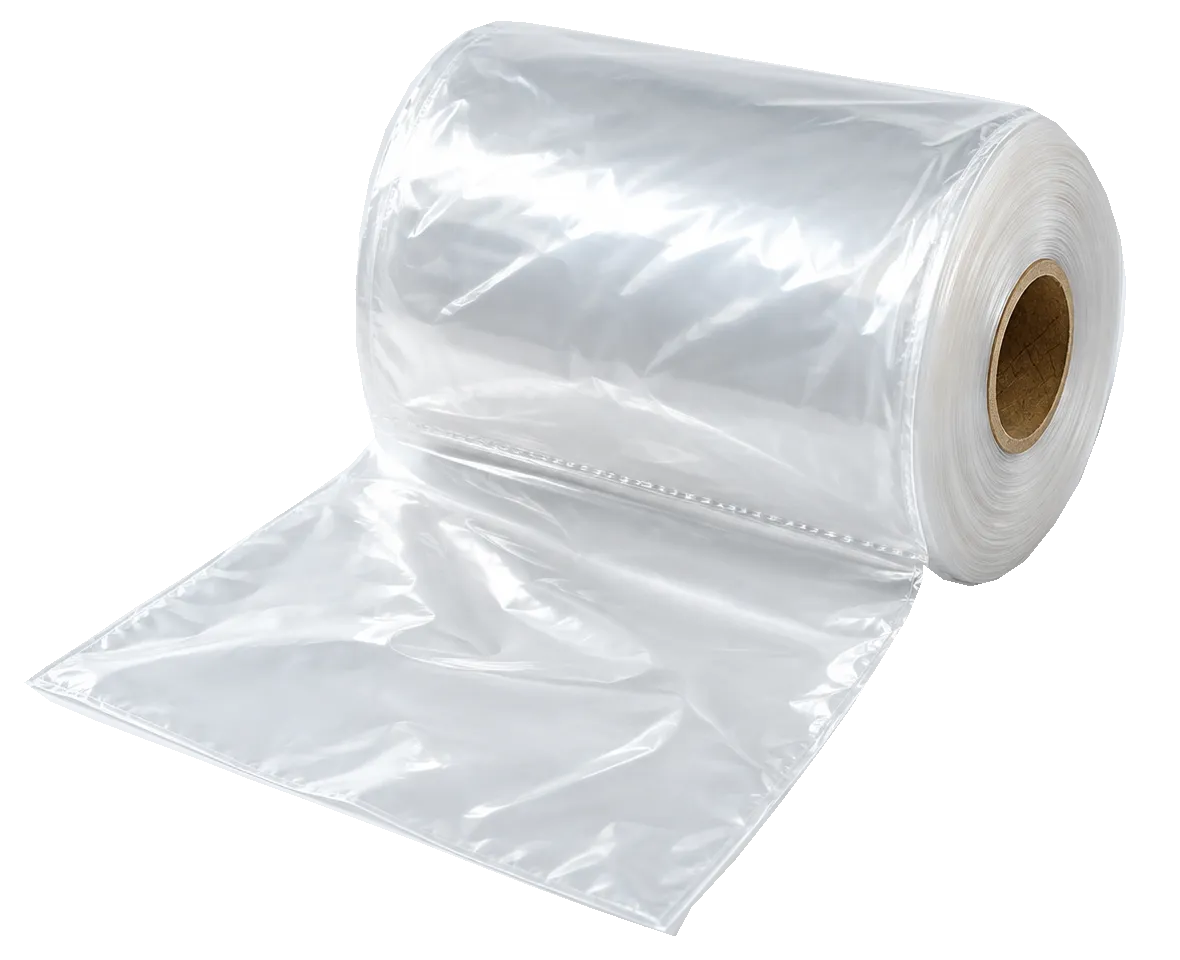
Rather than choosing the thickest available film, buyers should work with manufacturers to balance load-bearing performance, material consumption, and packaging costs.
Conclusion

The load-bearing capacity of PE bags depends on several interconnected factors, including raw material quality, film thickness, bag structure, sealing strength, manufacturing consistency, and actual loading conditions.
For manufacturers and industrial buyers, selecting the right combination of these factors is more important than focusing on a single specification.
NAIGU Films – Custom PE Film and Bag Manufacturer
NAIGU Films specializes in PE and PVC film manufacturing, providing customized PE bags and film solutions for mattress, furniture, and industrial packing applications.
We support custom requirements for material selection, film thickness, bag dimensions, and printing.
Contact NAIGU Films to discuss your PE bag specifications and find a suitable packing solution for your business.
📧 Email: jenney@gdnaimei.com
📱 WhatsApp/Phone: +86 13924835577
🌐 Website: https://naigufilms.com/
Leave a message
Name *
Email *
WhatsApp/Phone
Total weight (kg) *
Message *
Company Name
We use Cookie to improve your online experience. By continuing browsing this website, we assume you agree our use of Cookie.