Categories

Common Film Problems in Sofa Packing and Their Solutions |NAIGU

Learn how to solve common sofa packing film problems, including tearing, poor sealing, wrinkles, and punctures, with practical film selection and machine adjustment tips.
Oct 26th,2026 58 Views
Sofa manufacturers rely on packing film to protect upholstered furniture during compression, storage, handling, and transportation. However, film-related problems such as tearing, poor sealing, wrinkles, and inconsistent wrapping can affect packing quality, production efficiency, and customer satisfaction.
These issues are particularly important for factories using sofa compression and roll packing machines, where film must withstand mechanical stress while maintaining reliable protection. Understanding common film problems and their solutions helps furniture manufacturers select suitable materials and improve packing performance.
1. Film Tearing During Sofa Compression
Film tearing is one of the most common problems in sofa compression packing. During compression, the film may experience stretching, pressure, friction, and contact with sharp edges or protruding sofa components.
Common causes:
  • Film thickness is insufficient for the sofa's size and compression requirements.

  • Tear resistance or tensile strength is inadequate.

  • The film has defects or inconsistent material quality.

  • The sofa has sharp corners, metal fittings, or exposed components.

Solutions:
Choose PE packing film with suitable thickness, flexibility, and mechanical strength for the specific sofa model. Test the film under actual compression conditions before large-scale production. Manufacturers should also inspect sofas for exposed components and check machine settings to prevent excessive tension or unnecessary friction.
For heavy or large sofas, selecting film based on real packing requirements is more reliable than choosing material based on thickness alone.
2. Poor Heat Sealing and Film Leakage
Heat sealing is essential for maintaining a secure package. Weak seals, open edges, and incomplete sealing can allow dust or moisture to enter during handling and transportation.
Common causes:
  • The film is incompatible with the sealing system.

  • Sealing temperature, pressure, or dwell time is incorrect.

  • Dust, fabric fibers, or other contaminants are present in the sealing area.

  • Film thickness varies across the roll.

Solutions:
Confirm that the selected film is suitable for the machine's heat-sealing process. Adjust temperature, pressure, and sealing time according to the film manufacturer's recommendations and equipment requirements. Keep sealing surfaces clean and conduct regular seal-strength checks.
When changing film suppliers or material specifications, perform sealing trials before using the new film across the production line.
3. Excessive Wrinkles and Uneven Film Wrapping
Wrinkles can make finished packages look unprofessional and may interfere with downstream handling or storage. Uneven wrapping can also create loose sections that reduce package stability.
Common causes:
  • Film tension is inconsistent.

  • Film width does not match the sofa or packing machine.

  • The film roll is installed incorrectly.

  • The sofa is not positioned centrally on the conveyor.

  • The machine's feeding or rolling settings are unsuitable.

Solutions:
Select film with appropriate width and dimensional consistency. Check roll installation, feeding alignment, and tension settings before production. Ensure that sofas enter the packing machine in a stable and consistent position.
For automated sofa compression roll packing lines, regular inspection of rollers, conveyors, and film-feeding mechanisms can help maintain uniform wrapping quality.
4. Film Punctures During Handling and Transportation
Even when a package leaves the production line in good condition, punctures may occur during warehouse handling, stacking, or transportation.
Common causes:
  • The film has insufficient puncture resistance.

  • Package edges create concentrated pressure.

  • Finished packages rub against equipment or other products.

  • Forklifts, pallets, or handling tools damage the film.

Solutions:
Evaluate puncture resistance alongside thickness and tensile strength when selecting sofa packing film. For sofas with prominent corners or irregular shapes, consider protective padding or additional reinforcement at vulnerable areas.
Factories should also review pallet arrangements, conveyor clearances, and handling procedures to reduce contact with sharp surfaces.
5. Film Slipping or Failing to Stay in Position
Film that shifts, loosens, or fails to maintain a stable wrap can affect the appearance and security of a finished sofa package.
Common causes:
  • Film tension is too low or inconsistent.

  • The film's surface characteristics are unsuitable for the application.

  • The wrapping method does not match the sofa's shape.

  • Compression and rolling parameters are not properly adjusted.

Solutions:
Choose film with suitable flexibility and surface properties for the intended packing method. Adjust film tension and wrapping parameters to achieve stable coverage without overstretching the material.
For roll-packed sofas, verify that the film maintains adequate coverage throughout compression and rolling. Test different film specifications when packing products with significantly different dimensions or upholstery materials.
6. Inconsistent Film Quality Between Batches
A film that performs well in one production run may behave differently in another if material specifications or manufacturing conditions vary. These inconsistencies can cause recurring tearing, sealing, and feeding problems.
Common causes:
  • Different raw materials or formulations are used.

  • Film thickness varies beyond the acceptable tolerance.

  • Production and quality-control standards differ between suppliers.

  • Incoming film inspection is insufficient.

Solutions:
Establish clear purchasing specifications for film thickness, width, material, appearance, and required mechanical properties. Work with qualified suppliers that can maintain consistent quality and provide batch documentation.
Incoming inspections should include dimensional checks and application-specific tests. Recording film batch numbers and production defects also makes it easier to trace problems to their source.
7. Film Consumption Is Higher Than Expected
Excessive film consumption increases packing costs and can reduce material efficiency, especially in high-volume sofa manufacturing.
Common causes:
  • Film width or thickness is greater than necessary.

  • Wrapping overlap is excessive.

  • Machine settings produce unnecessary film waste.

  • Damaged film rolls result in frequent rejection.

Solutions:
Review actual film consumption per sofa and compare it with the packaging specification. Optimize film width, thickness, wrapping overlap, and machine settings through controlled production trials.
Avoid reducing film thickness without testing. The goal is to achieve the required protection and package stability with an appropriate amount of material, rather than simply minimizing film usage.
8. How to Choose the Right Film for Sofa Packing
Selecting suitable film is the foundation of reliable sofa packing. Different sofa designs, compression ratios, packing methods, and transportation conditions may require different material specifications.

Selection factor

What to evaluate

Film material

Compatibility with the packing method and required protection

Thickness

Suitable for sofa dimensions, weight, and compression conditions

Tensile strength

Ability to withstand pulling forces during packing

Tear and puncture resistance

Protection against corners, edges, and handling damage

Sealing performance

Compatibility with the machine's sealing system

Film width

Appropriate coverage with minimal unnecessary overlap

Quality consistency

Stable performance across production batches

PE film is commonly used for sofa and furniture packing because it can provide flexibility and protection for a range of applications. However, the optimal material and specification should be determined through application testing.
Manufacturers should evaluate film performance on their actual packing equipment before confirming large-volume orders.
9. Coordinate Film Selection with Sofa Packing Equipment
Film quality and machine performance are closely connected. A suitable film may still produce unsatisfactory results if the equipment is incorrectly adjusted, while well-maintained machinery cannot fully compensate for unsuitable film.
For factories using sofa compression roll packing machines, film selection should account for feeding stability, tension control, compression pressure, wrapping requirements, and sealing performance.
A coordinated evaluation of film and equipment can help manufacturers:
  • Reduce film tearing and package rejection.

  • Improve wrapping consistency.

  • Minimize material waste.

  • Maintain stable packing speeds.

  • Protect sofas during storage and transportation.
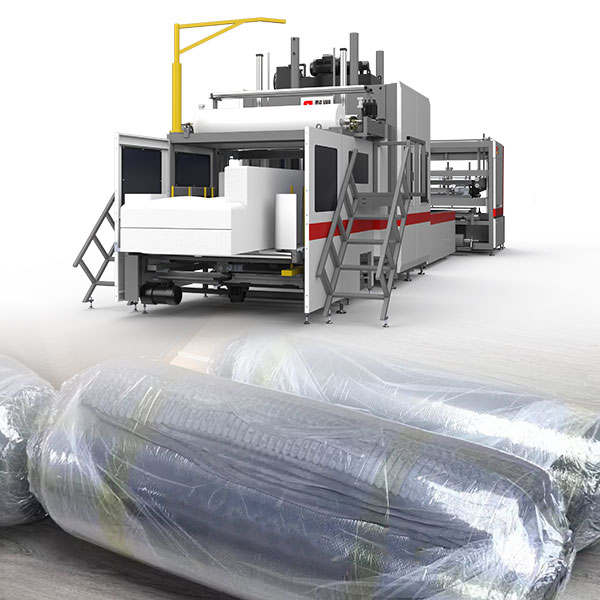
Before introducing a new film specification, manufacturers should conduct production trials using representative sofa sizes and packing conditions.

Conclusion
Common film problems in sofa packing include tearing, weak seals, wrinkles, punctures, unstable wrapping, inconsistent quality, and excessive material consumption. Most can be reduced through appropriate film selection, consistent quality control, correct machine adjustment, and standardized handling procedures.
For sofa manufacturers, the most effective approach is to evaluate film and packing equipment as one integrated system. Matching film properties to actual production requirements helps improve package quality, control operating costs, and support reliable delivery.
NAIGU provides sofa compression and roll packing machinery for furniture manufacturers seeking more efficient packing solutions. By coordinating suitable PE film specifications with the packing process, manufacturers can work toward more consistent results across different sofa models.
Contact NAIGU to discuss your sofa packing requirements and explore suitable machinery solutions.
📧 Email: jenney@gdnaimei.com
📱 WhatsApp/Phone: +86 13924835577
🌐 Website: https://naigufilms.com/
Leave a message
Name *
Email *
WhatsApp/Phone
Total weight (kg) *
Message *
Company Name
We use Cookie to improve your online experience. By continuing browsing this website, we assume you agree our use of Cookie.