Categories

How Mattress Manufacturers Can Standardize Film Quality Across Production Lines |NAIGU

Learn how mattress manufacturers can standardize film quality across production lines through clear specifications, supplier management, incoming inspections, and production monitoring.
Oct 26th,2026 45 Views
Mattress manufacturers often operate multiple production lines to meet different product specifications, order volumes, and delivery requirements. Maintaining consistent film quality across these lines is essential for reliable packing performance, product protection, and production efficiency. Whether a factory uses manual, semi-automatic, or fully automatic mattress packing equipment, standardized film specifications can help reduce quality variations and simplify daily operations.
1. Establish Standard Film Specifications
The first step toward consistent film quality is to create clear, documented purchasing specifications. Different production lines may use different types of mattress packing film, but each film type should have defined quality requirements.
Key specifications include:
  • Film material: Specify the required material, such as LDPE or another suitable PE film grade.

  • Film thickness: Define the acceptable thickness range according to mattress size, weight, and packing method.

  • Film width and length: Ensure the film dimensions match the requirements of each packing machine.

  • Transparency and appearance: Set standards for clarity, color consistency, and surface quality.

  • Mechanical properties: Evaluate tensile strength, tear resistance, and puncture resistance where relevant.

A standardized specification sheet helps purchasing teams, suppliers, and production operators follow the same quality requirements.
2. Match Film Quality to Different Packing Lines
Not every mattress packing line requires identical film dimensions or performance characteristics. For example, a mattress roll packing machine may require film with sufficient flexibility and strength to withstand compression and rolling, while a flat mattress packing machine may prioritize sealing performance and protection during transportation.
Manufacturers should classify their packing lines according to equipment type and application, then establish approved film specifications for each category.

Production line

Key film requirements

Flat mattress packing

Suitable thickness, reliable sealing, and surface protection

Compression roll packing

Flexibility, tear resistance, and compatibility with compression

Automatic mattress packing

Consistent dimensions and stable machine feeding

Mattress and furniture packing

Appropriate strength and protection for different product sizes

Standardization does not necessarily mean using one film specification for every machine. It means ensuring that each production line uses a clearly defined, tested, and approved film type.
3. Work with Qualified Film Suppliers
Supplier consistency plays a major role in maintaining stable film quality. Even when two batches have the same nominal thickness, differences in raw materials, manufacturing processes, and quality control may affect their performance.
Mattress manufacturers should evaluate suppliers based on their ability to maintain consistent specifications, provide reliable documentation, and respond to quality issues.
Before approving a supplier, consider checking:
  • Raw material quality and material consistency.

  • Thickness tolerance and dimensional accuracy.

  • Film strength, flexibility, and sealing performance.

  • Batch inspection records and quality documentation.

  • Production capacity and delivery reliability.

Working with qualified suppliers and maintaining approved film specifications can reduce unexpected variations between deliveries.
4. Implement Incoming Film Quality Inspection
A standardized inspection process helps manufacturers identify quality problems before film enters production. Incoming inspections should follow the same procedures regardless of which production line will use the material.
Common inspection items include film thickness, width, roll length, surface defects, and packaging condition. Depending on the application, manufacturers can also conduct tensile, tear, puncture, or heat-sealing tests.
Each batch should be checked against the approved specification. Inspection results should be recorded so that recurring issues can be traced to specific suppliers, batches, or production lines.
For high-volume factories, a consistent sampling plan can help balance inspection efficiency with quality assurance.
5. Monitor Film Performance During Production
Laboratory measurements alone cannot guarantee stable performance on the factory floor. Film should also be evaluated under actual packing conditions.
Operators should monitor whether the film feeds smoothly, maintains stable tension, seals reliably, and withstands the stresses associated with compression and handling. For roll-packed mattresses, manufacturers should pay particular attention to film damage during compression and rolling.
When problems occur, record the machine model, film batch, operating settings, and type of defect. This information helps distinguish between film-related issues and problems caused by equipment adjustment or operating conditions.
Regular communication between production, purchasing, and quality control teams makes it easier to identify the root cause and prevent repeated defects.
6. Build a Centralized Film Quality Management System
For manufacturers operating several production lines or factories, centralized quality management provides better control over film usage and performance.
A practical system should include:
  • An approved film specification database.

  • A list of qualified film suppliers.

  • Standard incoming inspection procedures.

  • Batch traceability records.

  • Production defect and rejection reports.

  • Regular reviews of supplier performance.
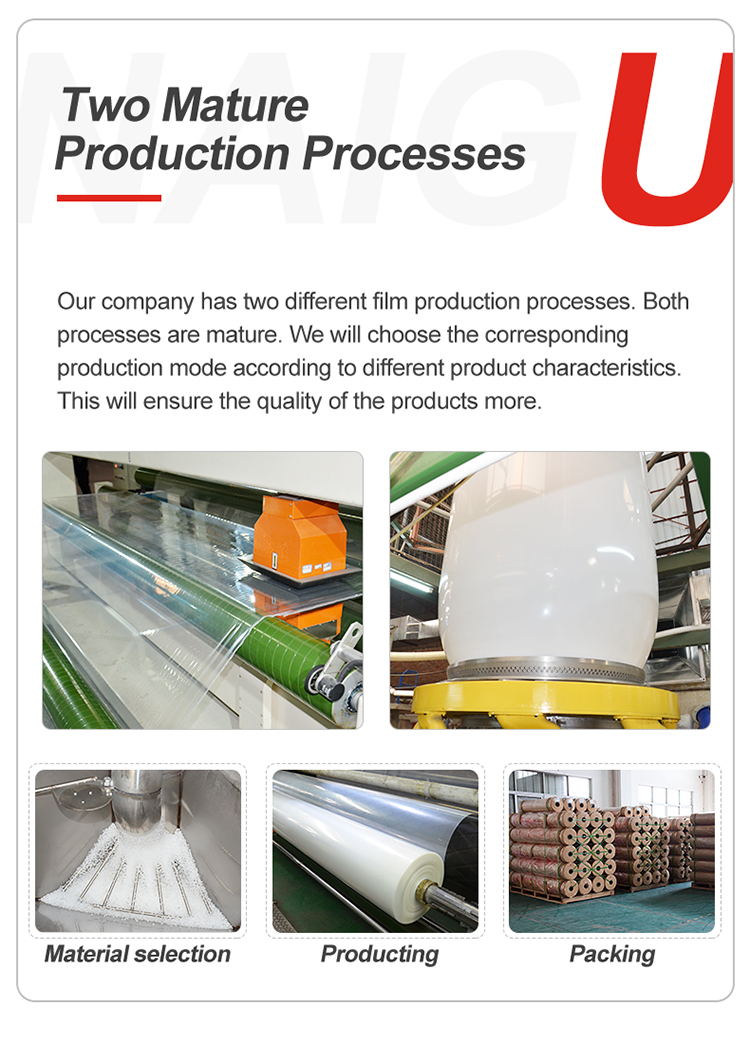
Digital records can help manufacturers compare film quality across different lines, identify recurring problems, and make purchasing decisions based on measurable performance rather than price alone.
7. Review Standards and Improve Continuously
Film requirements may change when manufacturers introduce new mattress sizes, upgrade packing equipment, or expand into new markets. Standard specifications should therefore be reviewed periodically.

When testing a new film grade or supplier, conduct a controlled trial on the relevant production line before approving widespread use. Compare machine performance, film consumption, packing quality, defect rates, and total operating costs.
This approach helps manufacturers improve material efficiency without compromising product protection or packing reliability.
Conclusion
Standardizing film quality across mattress production lines requires more than purchasing film with the same thickness. Manufacturers need clear specifications, qualified suppliers, consistent incoming inspections, production monitoring, and reliable batch traceability.
By combining standardized quality requirements with machine-specific film selection, mattress factories can reduce material variations, improve packing consistency, and maintain more predictable production performance.
NAIGU Films provides PE film solutions for mattress and furniture packing applications. By defining film dimensions, thickness, material requirements, and application conditions in advance, manufacturers can work toward more consistent packing performance across their production lines.
Contact NAIGU Films to discuss your mattress packing film requirements and customized film solutions.
📧 Email: jenney@gdnaimei.com
📱 WhatsApp/Phone: +86 13924835577
🌐 Website: https://naigufilms.com/
Leave a message
Name *
Email *
WhatsApp/Phone
Total weight (kg) *
Message *
Company Name
We use Cookie to improve your online experience. By continuing browsing this website, we assume you agree our use of Cookie.