Categories

How to Standardize Mattress Bag Specifications |NAIGU

Learn how mattress manufacturers can standardize bag dimensions, PE film thickness, materials, printing, and quality requirements to improve packing efficiency and control costs.
Nov 10th,2026 12 Views
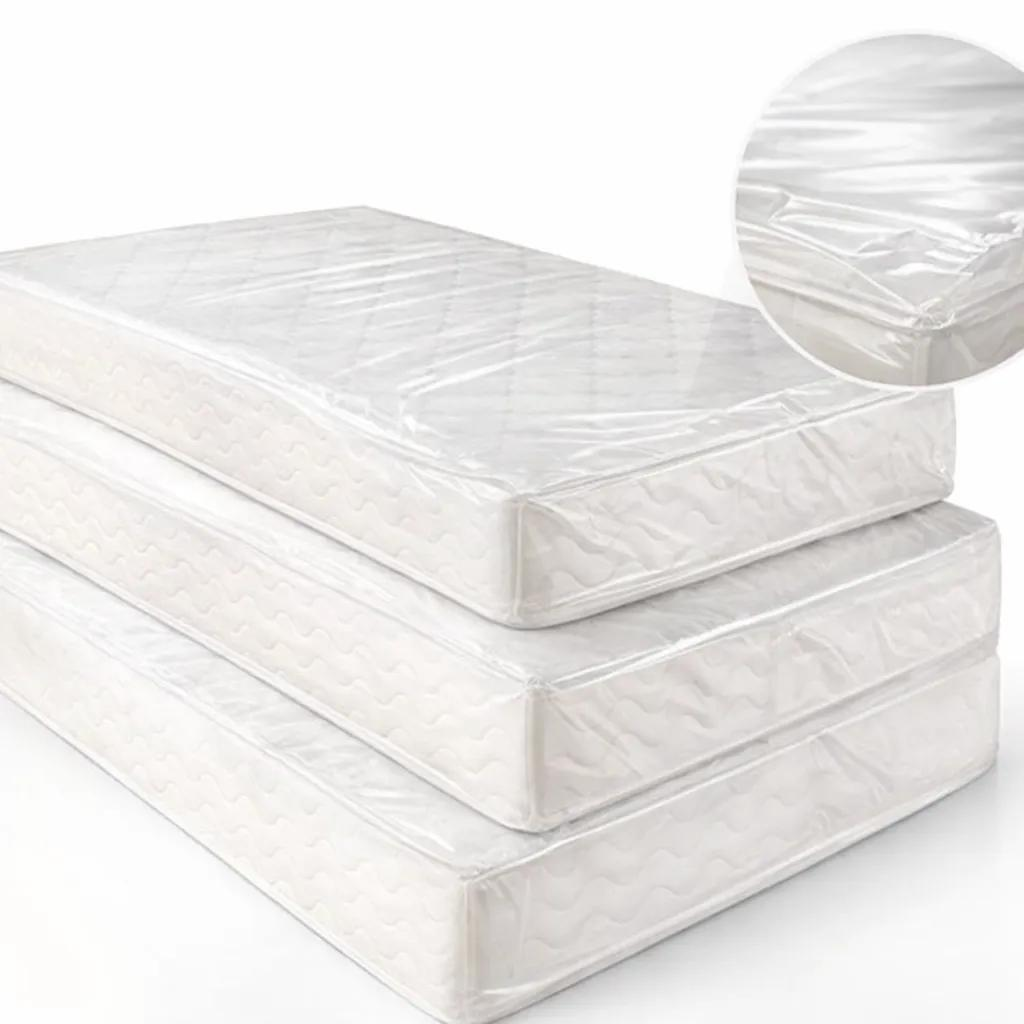
Mattress bags play an important role in protecting mattresses during production, warehouse storage, distribution, and international transportation. For mattress manufacturers, using inconsistent bag specifications can lead to material waste, packing difficulties, and unnecessary purchasing costs.
Standardizing mattress bag specifications helps manufacturers maintain consistent packing quality, simplify inventory management, and improve purchasing efficiency.
However, different mattress sizes, thicknesses, materials, and packing methods require different bag specifications. This guide explains how mattress manufacturers can establish standardized mattress bag requirements for more efficient production and supply chain management.
1. Define Standard Mattress Bag Dimensions
The first step in standardizing mattress bags is to establish clear dimensional requirements.
Mattress dimensions vary depending on market preferences, product categories, and mattress designs. Manufacturers should organize their product sizes before selecting bag specifications.
Important dimensions include:
  • Mattress length
  • Mattress width
  • Mattress thickness
  • Bag opening width
  • Bag length
  • Additional allowance for loading and sealing
For example, a factory producing single, double, queen, and king-size mattresses can create a standard bag specification list for each product category.
The bag should provide sufficient space for easy mattress loading without excessive excess material.
For compressed mattresses, manufacturers should calculate bag dimensions according to the final compressed package size rather than the original mattress dimensions.
2. Standardize Mattress Bag Thickness
Film thickness directly affects material consumption, bag strength, and packing costs.
Mattress manufacturers should select film thickness according to mattress weight, packing method, transportation distance, and handling conditions.
Common considerations include:
Lightweight Mattresses
Lighter mattresses may require less material, depending on the packing environment and handling requirements.
Heavy Mattresses
Heavier mattresses generally require greater attention to puncture resistance, sealing performance, and film strength.
Compressed Mattresses
Compression and roll-packed mattresses require film specifications suitable for the packing equipment, compression conditions, and final package dimensions.
Rather than selecting thickness based only on price, manufacturers should conduct packing trials to confirm that the bag meets actual production requirements.
3. Choose the Appropriate PE Film Material
PE film is widely used in mattress bags because of its flexibility, moisture resistance, and suitability for customized bag production.
Common material considerations include:
LDPE Film
LDPE film offers flexibility and is commonly considered for mattress bags and protective covers.
LLDPE Film
LLDPE can provide useful strength and puncture resistance characteristics, depending on the formulation and film structure.
Virgin and Recycled Material Options
Manufacturers may evaluate different material formulations according to their product requirements, quality standards, and purchasing budgets.
The final material selection should be based on actual performance testing rather than material names alone.
4. Establish Standard Bag Types for Different Mattress Applications
Different mattress products and packing methods require different bag structures.
Mattress Application
Recommended Bag Type
Main Requirement
Standard Mattresses
Flat PE Mattress Bags
Easy loading and surface protection
Foam Mattresses
PE Mattress Bags
Flexible covering
Compressed Mattresses
Compression Mattress Bags
Suitable strength and sealing
Rolled Mattresses
PE Roll Packing Bags
Fit with roll dimensions
Premium Mattresses
Printed PE Bags
Product identification and branding
Warehouse Storage
Large PE Mattress Covers
Dust and moisture protection
Standardizing bag types according to product categories makes it easier for purchasing teams to manage specifications and suppliers.
5. Standardize Printing and Product Identification
Printed mattress bags can improve product identification and support brand presentation.
Manufacturers should establish consistent printing requirements before placing bulk orders.
Important details include:
  • Company logo
  • Brand name
  • Product information
  • Handling instructions
  • Printed colors
  • Artwork dimensions
  • Printing position
For manufacturers selling mattresses in different markets, artwork and product information may need to be adjusted according to local labeling requirements.
Approving a standard artwork file before mass production helps reduce printing inconsistencies and unnecessary revisions.
6. Create a Standard Mattress Bag Specification Sheet
A documented specification sheet is one of the most effective ways to standardize mattress bag purchasing.
Each bag specification should include the following information:
Specification
Required Information
Material
LDPE / LLDPE / Custom PE Blend
Bag Width
mm
Bag Length
mm
Film Thickness
μm
Bag Type
Flat / Gusseted / Custom
Film Color
Transparent / Colored
Printing
Unprinted / Custom Printed
Packing Application
Standard / Compressed / Rolled Mattress
Order Quantity
Pieces or Kilograms
Packing Method
Manual / Automatic
A clear specification sheet allows manufacturers to compare supplier quotations more accurately and reduces misunderstandings during order confirmation.
7. Establish Quality Control Standards
Standard specifications should be supported by consistent quality inspection procedures.
Mattress manufacturers should evaluate several important quality factors:
Dimensional Accuracy
Check bag width, length, and thickness against approved specifications.
Film Thickness Consistency
Verify that film thickness remains within the agreed production tolerance.
Tensile and Puncture Performance
Evaluate whether the film can withstand normal handling and packing conditions.
Sealing Performance
For bags requiring heat sealing, check seal consistency and resistance to opening during handling.
Printing Quality
Inspect color consistency, logo clarity, and printing position for customized bags.
Regular inspection helps manufacturers maintain consistent packing materials across different production batches.
8. How Standardized Mattress Bags Improve Purchasing Efficiency
Standardizing mattress bag specifications provides several advantages for mattress factories.
Simplified Inventory Management
Using approved specifications reduces the number of unnecessary bag variations and makes warehouse stock easier to manage.
More Accurate Cost Control
Standard bag dimensions and thicknesses help purchasing teams estimate material consumption and compare quotations.
Improved Production Efficiency
Consistent bag sizes and structures help reduce packing adjustments and unnecessary material changes.
Better Supplier Management
Documented specifications allow manufacturers to communicate requirements clearly and evaluate suppliers based on consistent standards.
Frequently Asked Questions
1. Why should mattress manufacturers standardize bag specifications?
Standardization helps control material costs, maintain consistent packing quality, simplify inventory management, and improve supplier communication.
2. What material is commonly used for mattress bags?
PE film, including LDPE and LLDPE formulations, is commonly used for mattress bags. The appropriate material depends on the required strength, flexibility, and packing application.
3. How do I choose the correct mattress bag thickness?
Consider mattress weight, dimensions, packing method, transportation conditions, and required film performance. Actual packing tests are recommended before bulk purchasing.
4. Should compressed mattresses use different bag specifications?
Yes. Compressed mattresses have different final dimensions and packing conditions. Bag specifications should be designed according to the compressed package and sealing requirements.
5. What information should I provide when requesting a mattress bag quotation?
Provide bag dimensions, material, film thickness, printing requirements, bag type, and estimated order quantity. Sample requirements can also help suppliers confirm the specifications.
Conclusion
Standardizing mattress bag specifications helps manufacturers improve packing consistency, reduce material waste, and simplify purchasing management.
By establishing clear standards for bag dimensions, film thickness, material selection, printing, and quality inspection, mattress factories can build a more efficient and reliable packing supply chain.
NAIGU Films provides customized PE film and mattress bag solutions for mattress manufacturers, furniture factories, and industrial packing applications.
Looking for a reliable mattress bag manufacturer?

Contact NAIGU Films with your required bag dimensions, film thickness, material preferences, and order quantity. Our team can help evaluate your requirements and provide a factory-direct quotation.
📧 Email: jenney@gdnaimei.com
📱 WhatsApp/Phone: +86 13924835577
🌐 Website: https://naigufilms.com/
Leave a message
Name *
Email *
WhatsApp/Phone
Total weight (kg) *
Message *
Company Name
We use Cookie to improve your online experience. By continuing browsing this website, we assume you agree our use of Cookie.