How to Store Agricultural Plastic Film Before Installation |NAIGU
Learn how to store agricultural plastic film before installation. Explore practical tips for protecting PE film rolls from sunlight, moisture, pressure, and damage.
Nov 11th,20266 Views
Agricultural plastic film plays an important role in greenhouse covering, soil mulching, crop protection, and agricultural production. However, proper storage before installation is essential to maintaining film quality and ensuring reliable performance in the field.
Improper storage can lead to surface contamination, physical damage, deformation, and reduced usability. Whether you are purchasing greenhouse film, mulch film, or other agricultural PE film, following the right storage practices can help protect your investment.
1. Keep Agricultural Film Away from Direct Sunlight
Direct sunlight and prolonged UV exposure can affect plastic film during storage, especially when the material is not designed for extended outdoor exposure.
To protect agricultural plastic film:
Store film rolls indoors whenever possible.
Avoid leaving rolls exposed to direct sunlight.
Use protective outer packaging during transportation and storage.
Keep the storage area covered and protected from weather conditions.
Proper protection helps maintain the original film properties before installation.
2. Store Film in a Clean and Dry Environment
Moisture, dust, and dirt can affect the surface quality of agricultural plastic film. A clean storage environment helps prevent contamination before the film is used.
Recommended practices include:
Keep film rolls away from rain and standing water.
Store them in a dry, well-ventilated warehouse.
Avoid placing rolls near chemicals, oils, or corrosive materials.
Keep the warehouse floor clean and dry.
For agricultural film used in greenhouse applications, maintaining surface cleanliness is particularly important.
3. Avoid Excessive Pressure and Improper Stacking
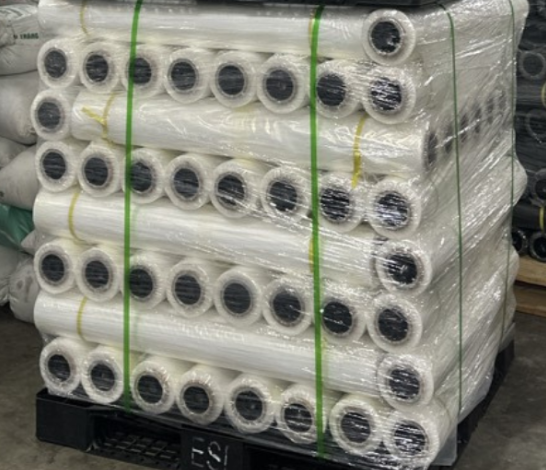
Agricultural plastic film is commonly supplied in rolls. Improper stacking or excessive pressure can cause deformation, damaged edges, or difficulties during installation.
Consider the following precautions:
Follow the manufacturer's recommended stacking instructions.
Avoid placing heavy objects on top of film rolls.
Use suitable pallets or storage supports.
Keep rolls stable to prevent accidental movement.
Avoid dragging rolls across rough surfaces.
Proper handling helps maintain roll shape and reduces unnecessary material waste.
4. Protect Film Rolls from Sharp Objects
Plastic film can be damaged by sharp edges, rough surfaces, and improper handling equipment.
Before storing agricultural film, ensure that:
Storage shelves and pallets have smooth contact surfaces.
Forklift handling does not damage the roll edges.
Film rolls are separated from metal scraps and sharp tools.
Protective wrapping remains intact until the film is ready for use.
Even minor surface damage may affect the installation process and overall material utilization.
5. Follow the Recommended Storage Temperature
Temperature conditions can influence the physical properties of plastic film. Excessive heat may contribute to deformation, while unsuitable storage conditions may affect film handling.
For better storage management:
Keep film in a temperature-controlled or relatively stable warehouse.
Avoid storing rolls near boilers, heaters, or other heat sources.
Follow the supplier's recommended storage temperature range.
Allow film to acclimatize to the installation environment when necessary.
Always refer to the manufacturer's technical data for specific storage recommendations.
6. Check Film Quality Before Installation
Before installing agricultural plastic film, conduct a basic inspection to confirm that the material remains in suitable condition.
Important inspection points include:
Film width and thickness.
Roll edges and overall roll condition.
Surface cleanliness and visible damage.
Packaging integrity.
Product specifications and batch information.
For large agricultural projects, checking a sample roll before installation can help identify potential issues early.
7. Use a First-In, First-Out Inventory System
Agricultural film suppliers, distributors, and large-scale farming operations may need to manage multiple batches of film.
A First-In, First-Out (FIFO) inventory system helps improve warehouse organization and material traceability.
Useful practices include:
Marking production and delivery dates.
Recording film specifications and batch numbers.
Organizing different film types separately.
Prioritizing older stock for use.
Keeping inventory records updated.
This approach helps reduce long-term storage risks and supports better purchasing and inventory planning.
8. Choose Reliable Agricultural Film for Better Storage and Installation Performance
Proper storage is important, but product quality also matters. Agricultural plastic film should be manufactured according to the intended application, environmental conditions, and installation requirements.
When sourcing agricultural PE film, buyers should consider:
Material composition and raw material quality.
Film thickness and width consistency.
Tensile strength and elongation.
UV resistance requirements.
Transparency and light transmission requirements, where applicable.
Roll dimensions and customized specifications.
Working with an experienced plastic film manufacturer helps ensure that the material meets project requirements before delivery.
Frequently Asked Questions
Q1: Can agricultural plastic film be stored outdoors?
Indoor storage is generally recommended. If outdoor storage is unavoidable, use suitable protective covers and keep the rolls away from direct sunlight, rain, and ground moisture.
Q2: Does sunlight affect agricultural plastic film during storage?
Yes. Prolonged UV exposure may affect the material, depending on its formulation and UV stabilization properties. Covered indoor storage is recommended.
Q3: How should agricultural film rolls be stacked?
Follow the manufacturer's stacking instructions. Use stable pallets or supports, avoid excessive pressure, and prevent heavy objects from being placed on the rolls.
Q4: What should buyers check before installing agricultural film?
Check film thickness, width, roll condition, surface cleanliness, packaging integrity, and whether the specifications match the intended agricultural application.
Conclusion
Proper storage of agricultural plastic film before installation helps maintain material quality, reduce handling damage, and improve installation efficiency. Keeping rolls in a clean, dry, shaded environment, avoiding excessive pressure, and following a FIFO inventory system are practical steps for agricultural businesses and film distributors.
NAIGU Films specializes in PE plastic film manufacturing and customized film solutions for different industrial and agricultural applications. We provide tailored film specifications to support your purchasing and production requirements.
Contact NAIGU Films to discuss your agricultural plastic film requirements and request a customized quotation.