Categories

How to Store Mattress Packing Film for Better Performance |NAIGU

Learn how to store mattress packing film properly to protect PE film quality, prevent contamination and damage, reduce material waste, and improve mattress packing efficiency.
Oct 14th,2026 54 Views
Mattress packing film plays an important role in protecting mattresses from dust, moisture, scratches, and contamination during storage and transportation. However, even high-quality PE film may experience performance changes if it is stored improperly. For mattress manufacturers and packing factories, proper film storage helps maintain material quality, reduce waste, and improve packing efficiency.
1. Store Mattress Packing Film in a Cool, Dry Environment
Temperature and humidity can affect the storage quality of plastic film. Store mattress packing film in a cool, dry, and well-ventilated warehouse. Avoid placing film near heaters, boilers, or other heat sources, as excessive heat may contribute to deformation or changes in film properties.
Direct sunlight should also be avoided because prolonged UV exposure can affect certain film formulations. Keeping the warehouse environment stable helps preserve the film's original performance.
2. Keep PE Film Away from Direct Sunlight
Many mattress packing films are made from polyethylene (PE), which may be affected by prolonged exposure to ultraviolet radiation. Film stored near windows or in outdoor areas may experience changes in flexibility, strength, or appearance, depending on its formulation and UV resistance.
To protect the material, store film rolls indoors and use opaque protective packaging when appropriate. For long-term storage, follow the film supplier's recommendations regarding shelf life and environmental conditions.
3. Prevent Dust, Moisture, and Contamination
Dust and moisture can affect the cleanliness of mattress packing film and may create problems during the packing process. Contaminated film can reduce the quality of the finished package, especially when a clean and professional appearance is required.
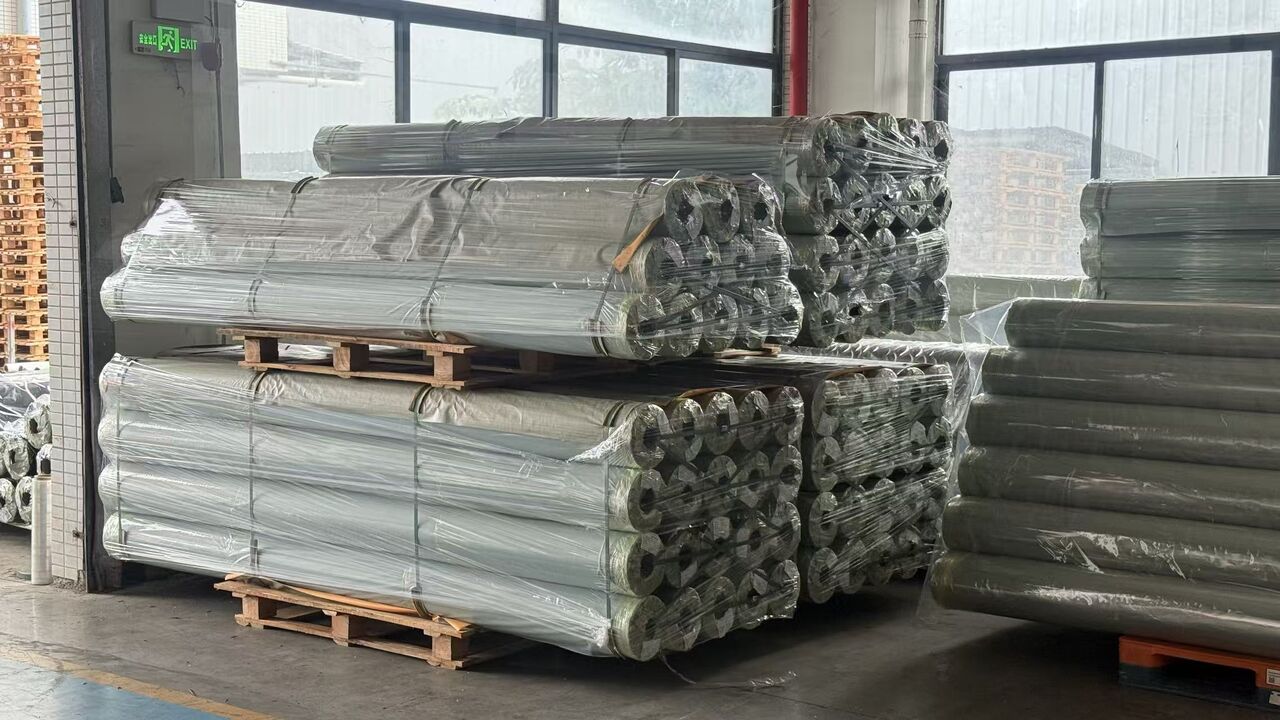
Keep film rolls wrapped until they are ready for use. Store them away from water, chemicals, oils, and other materials that could contaminate the film surface. If the original protective packaging is damaged, replace it with suitable clean wrapping.
4. Avoid Pressure and Physical Damage
Improper stacking or handling may deform film rolls, damage their edges, or cause surface scratches. These issues can lead to feeding difficulties, wrinkles, or film tracking problems on mattress packing machines.
Use suitable racks, pallets, or storage systems to support film rolls securely. Avoid excessive stacking pressure, dragging rolls across rough surfaces, or dropping them during transportation. Follow the supplier's instructions for roll orientation and maximum stacking height.
5. Follow a First-In, First-Out Inventory System
Using older stock before newer deliveries helps mattress factories manage inventory and reduce the risk of keeping film in storage for too long.
Clearly label each roll or batch with its product specifications, delivery date, thickness, width, and batch number. Before production, inspect the film for unusual discoloration, damaged edges, contamination, or other visible changes.
If the film has been stored for an extended period, conduct a trial run before using it for large-scale production.
6. Check Film Compatibility with Mattress Packing Machines
Proper storage is only one factor in maintaining packing performance. Film thickness, width, tensile strength, flexibility, and sealing characteristics must also match the requirements of the mattress packing machine.
For example, compression and roll packing machines require film that can accommodate the packing process without excessive tearing, wrinkling, or sealing defects. Before starting production, operators should check film feeding, tension, sealing quality, and package appearance.
Regular inspection helps identify potential issues early and supports more consistent packing results.
7. Build a Standard Film Storage Procedure
Mattress factories can improve material management by establishing a simple storage procedure:
  • Keep film rolls in a clean, dry, indoor warehouse.

  • Protect film from direct sunlight and excessive heat.

  • Maintain the original protective wrapping whenever possible.

  • Store rolls securely to prevent deformation and edge damage.

  • Record inventory dates and apply the first-in, first-out principle.

  • Inspect film quality before loading it onto the packing machine.

These measures help reduce material waste, improve production consistency, and extend the usable storage period under suitable conditions.
Conclusion
Proper storage is essential for maintaining mattress packing film performance. By controlling the storage environment, preventing contamination, protecting film rolls from physical damage, and checking material quality before use, mattress manufacturers can reduce avoidable packing problems and improve production efficiency.

Choosing suitable PE film and matching it with the right mattress packing equipment are equally important for achieving reliable packing results.
At NAIGU, we provide mattress packing machinery and packing solutions for mattress manufacturers with different production requirements. Selecting the right film and equipment can help your factory achieve more consistent packing quality and smoother production operations.
Contact NAIGU for Mattress Packing Solutions
Looking for suitable mattress packing machines or PE film for your production line? Contact our team to discuss your mattress dimensions, packing requirements, and production capacity.
📧 Email: jenney@gdnaimei.com
📱 WhatsApp/Phone: +86 13924835577
🌐 Website: https://naigufilms.com/
Leave a message
Name *
Email *
WhatsApp/Phone
Total weight (kg) *
Message *
Company Name
We use Cookie to improve your online experience. By continuing browsing this website, we assume you agree our use of Cookie.