Choosing the right certifications and quality documents is essential when purchasing industrial film. This article explains the key certifications, compliance documents, and test reports buyers should check to verify film quality, meet market requirements, and select reliable industrial film suppliers.
When purchasing industrial film, price and film specifications are important, but certifications and compliance documents can be equally critical. For manufacturers, distributors, and importers, the right certifications can help verify material quality, ensure regulatory compliance, and reduce risks during international trade.However, not every industrial film requires the same certification. The appropriate documents depend on the film material, application, destination market, and intended use.Why Certifications Matter When Buying Industrial FilmIndustrial film is used in many applications, including mattress packing, furniture packing, pallet wrapping, product protection, and industrial packaging. A film that works well for one application may not meet the requirements of another.Certifications and supporting documents can help buyers evaluate:
- Material composition
- Product safety
- Quality management
- Environmental compliance
- Chemical restrictions
- Food-contact suitability, when applicable
- Traceability and production consistency
Buyers should therefore ask suppliers which certifications apply to the specific film being purchased rather than simply requesting a general "certificate."1. ISO 9001 CertificationISO 9001 is one of the most commonly requested certifications when evaluating industrial film suppliers.It focuses on the supplier's quality management system rather than certifying that every individual film roll meets a particular specification.For buyers, an ISO 9001-certified manufacturer may provide greater confidence that the factory has documented processes for production, inspection, quality control, and continuous improvement.When evaluating a supplier, buyers should check whether the ISO certificate belongs to the actual manufacturing facility and whether it is currently valid.2. RoHS ComplianceFor industrial films used in applications where restricted substances may be relevant, buyers may request RoHS compliance documentation.RoHS is designed to restrict certain hazardous substances in electrical and electronic equipment. Therefore, it is not automatically relevant to every plastic film application.If a supplier claims RoHS compliance, buyers should clarify which specific film, material, and test report the claim applies to.3. REACH ComplianceFor customers importing plastic films into European markets, REACH compliance may be an important consideration.REACH regulates chemicals and their safe use in the European Union. Depending on the film composition and substances involved, buyers may request a supplier declaration, relevant testing documents, or other supporting information.The exact documentation required depends on the product and applicable regulatory obligations.4. Food-Contact CertificationIndustrial film intended for direct food contact may require additional compliance documentation.Depending on the destination market, buyers may need evidence that the film complies with applicable food-contact requirements. These requirements can differ between regions, so suppliers should provide documentation relevant to the intended market.For mattress, furniture, and general industrial packing film, food-contact certification may not be necessary.5. Test Reports for Film PerformanceCertifications are not the only documents buyers should request. Technical test reports can be particularly useful when purchasing industrial film.Depending on the application, buyers may ask for test data covering:
- Film thickness
- Tensile strength
- Elongation
- Tear resistance
- Puncture resistance
- Transparency
- Sealing performance
- Stretch ratio
- COF (coefficient of friction)
For compression packing applications, film performance can directly affect packing stability and machine operation.6. Environmental and Recyclability DocumentationSustainability requirements are becoming increasingly important in international markets. Buyers may ask suppliers about the film's recyclability, recycled content, or environmental compliance.However, terms such as "eco-friendly," "green," and "recyclable" should not be accepted without clarification.A professional supplier should be able to explain:
- The film material and structure
- Whether recycled material is used
- Whether the film is technically recyclable
- Applicable environmental declarations
- Relevant testing or supporting documents
7. Certificate of Analysis (COA)A Certificate of Analysis (COA) can provide batch-specific information about a product's measured characteristics.For industrial film, a COA may include information such as film thickness, mechanical properties, and other agreed specifications.This can be particularly useful for large-volume buyers who need consistent quality between different production batches.What Should Industrial Film Buyers Ask Suppliers?Before placing an order, buyers should create a document checklist based on the actual application.A practical checklist may include:
| Document |
Why It Matters |
| ISO 9001 |
Evaluates the supplier's quality management system |
| REACH documentation |
Supports applicable EU chemical compliance |
| RoHS documentation |
Relevant to applications subject to RoHS requirements |
| Food-contact documents |
Needed for applicable food-contact applications |
| Product test report |
Verifies technical film performance |
| COA |
Provides batch-specific quality information |
| Material specification |
Confirms film structure and composition |
| SDS, when applicable |
Provides relevant safety information |
Not every buyer needs every document. The correct requirements should be determined by the film's application and destination market.How to Verify Industrial Film CertificationsA certification logo on a supplier's website is not enough. Buyers should request a copy of the relevant certificate or test report and check whether:
- The company name matches the supplier.
- The manufacturing site is correctly identified.
- The certificate is still valid.
- The certification scope covers the relevant product or production activity.
- The document comes from an appropriate certification or testing organization.
- The film specification in the report matches the product being purchased.
Buyers should also distinguish between factory certifications, product certifications, compliance declarations, and laboratory test reports. They serve different purposes and should not be treated as interchangeable.
Certifications Should Match the Application
The most important principle is simple: ask for certifications that are relevant to your specific industrial film application.
For example, a mattress factory buying PE film for automatic mattress packing may prioritize film thickness, tensile strength, elongation, sealing performance, and machine compatibility. A food manufacturer may have very different compliance requirements.
Choosing the right documents helps buyers avoid unnecessary certification costs while ensuring that the film meets the actual requirements of the target market.
Conclusion
Certifications and technical documents are important tools for evaluating industrial film suppliers. ISO 9001, REACH documentation, RoHS documentation, applicable food-contact compliance, test reports, COAs, and material specifications can all provide useful information, depending on the application.
Instead of choosing a supplier based only on certification logos or the lowest price, industrial film buyers should verify the supplier's documentation, product specifications, testing data, and production capabilities. This approach can help ensure consistent film quality and smoother international purchasing.
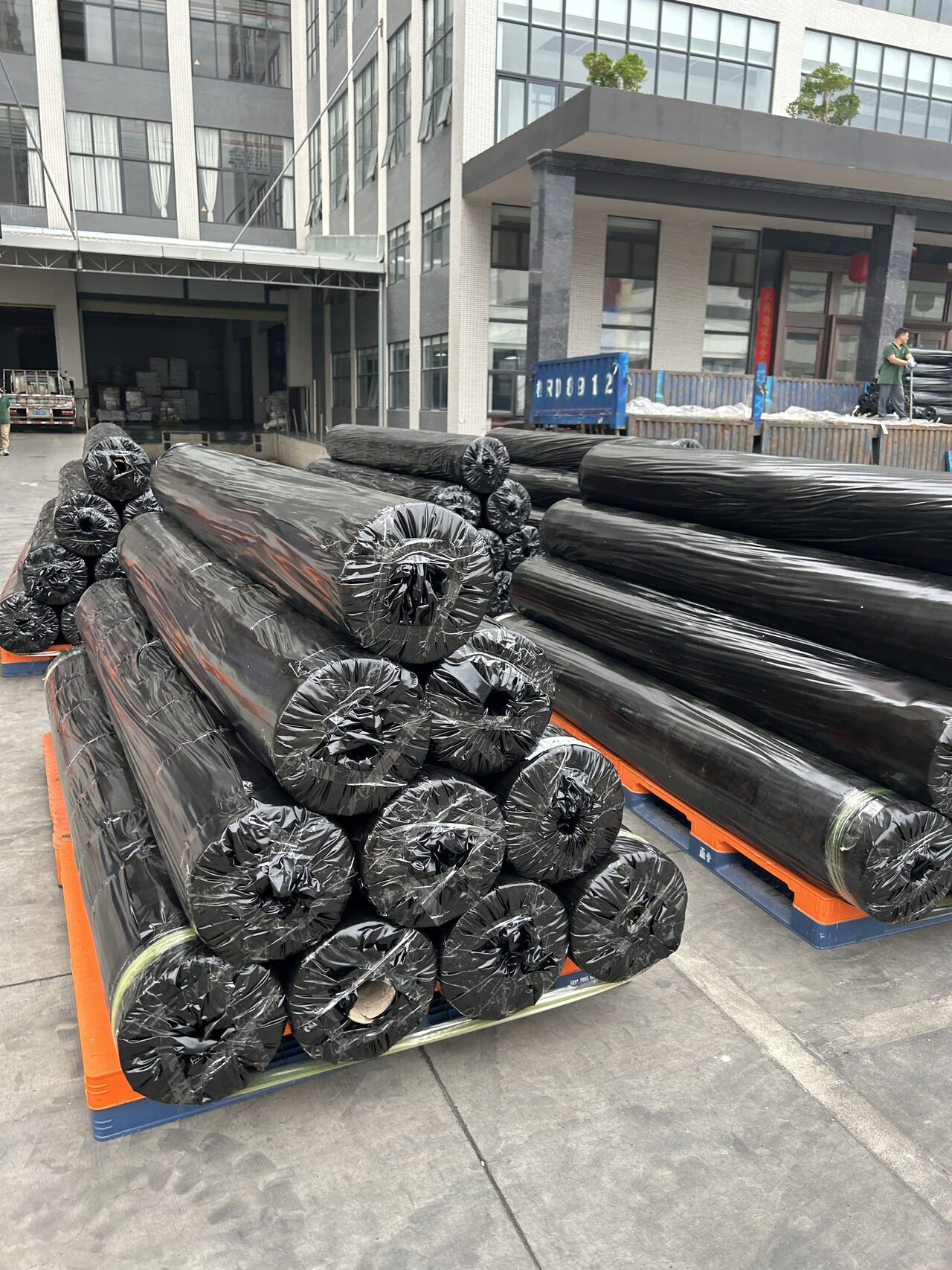
Contact Us
Looking for a reliable industrial film supplier? NAIGU provides customized PE film solutions for mattress packing, furniture packing, and other industrial applications, with product specifications and quality documentation to support your purchasing requirements.
Contact NAIGU today to discuss your film requirements and get a suitable solution for your market.
📧 Email: jenney@gdnaimei.com
📱 WhatsApp/Phone: +86 13924835577
🌐 Website: https://naigufilms.com/


